Can Stainless Steel Go in the Oven?
About Misen
We make kitchen tools that work better, last longer, and cost less than you’d expect: everyday innovations with a radical focus on our customers’ actual need.
Table of Contents
Summary
Quality stainless-steel cookware is a kitchen powerhouse that can move straight from stovetop to oven without fear, thanks to chromium-rich grades like 304 and 316 that stay strong well past 1,500°F—far beyond any home-oven setting—so you can sear a steak, slide it into a 500°F oven, and finish under the broiler for a caramelized crust, all in the same pan. The article demystifies temperature limits, explaining that while the steel itself is virtually indestructible, plastic or silicone handles, glass lids, and non-stick coatings cap safe temps as low as 350°F, and it shows how to read grade markings, choose fully metal designs, and avoid bargain 200-series steel that warps or leaches metals. Readers learn pro techniques for broiling, roasting acidic casseroles, and baking frittatas evenly, plus care secrets—gradual preheating, baking-soda scrubs, and stacking with paper towels—that prevent rainbow discoloration, thermal-shock warping, and surface scratches, extending cookware life for decades and keeping it out of landfills. Ultimately, the guide empowers home cooks to invest once in the right stainless-steel pieces, use them fearlessly at high heat, and maintain them sustainably for a lifetime of versatile, oven-ready meals.
What Makes Stainless Steel Oven‑Safe?
Grade 304’s self-healing chromium shield lets stainless cookware laugh off 500°F ovens when it’s rated to stay strong past 1,500°F.
How Stainless Steel Withstands High Heat
Here's what makes stainless steel such a champion in high heat: it's all about the chromium. This key ingredient helps stainless steel withstand incredibly high temperatures—we're talking 1,300°F to 2,100°F (705°C-1,150°C) before any real issues arise [3]. When your pan heats up, something pretty cool happens—the chromium creates an invisible protective layer that acts like a shield against damage [1]. This barrier actually repairs itself, which is why your quality cookware can go from stovetop to oven day after day without breaking down. The stainless steel in most quality cookware—Grade 304—is seriously overbuilt for home cooking.
It stays strong at temperatures up to 1,598°F (870°C) for occasional use and 1,697°F (925°C) for continuous heat [2]. Since your oven maxes out around 500°F, you've got plenty of headroom. This grade gets its superpowers from its recipe: 18% chromium and 8% nickel (you might see it called "18/8 steel") [2]. Sure, at extreme temperatures stainless steel will eventually soften and expand slightly [3], but we're talking temperatures you'll never reach in your kitchen. Different grades bring different strengths to the table.
Your standard 304 and 316 grades handle temperatures up to 1,700°F (925°C)—more than enough for any cooking technique you can throw at them [3]. There are even specialized grades designed for industrial use that can take the heat up to 2,100°F [3]. These super-grades pack extra chromium and nickel to boost that protective layer we talked about [1]. Bottom line? Standard stainless steel has your back for everything from gentle baking to high-heat searing, with room to spare.
Key Material Grades That Tolerate Oven Use
When you're shopping for cookware, the grade matters. Look for grades 304, 316, and 430—these are the workhorses of oven-safe cookware [4][5]. Grade 304 shows up in most quality pieces because it delivers excellent heat stability without breaking the bank.
Grade 316 steps it up with premium heat resistance [4], while grade 430 offers solid performance at a friendlier price point [5]. Here's what to avoid: those bargain 200-grade products. They're not built for serious oven use and might warp, crack, or worse—potentially release unwanted chemicals into your food [5].
Pro tip: quality stainless steel often has a subtle green or silver tint and will respond to a magnet test [4]. Even with top-tier cookware, keeping things under 500°F helps ensure even heating and protects your investment [4][5].
Why Misen’s 5‑Ply Construction Matters
Our
Temperature Limits and Safe Usage
Before you crank your oven past 500°F, flip your stainless pan and read the stamped grade—premium 18/10 steel can safely take the heat that warps cheap 200-series pans.
Maximum Oven Temperature for Stainless Steel Pans
Stainless steel pans can safely handle oven temperatures far beyond typical home cooking needs, but the exact limit varies by grade and quality. Most high-quality stainless steel can withstand temperatures up to 1500°F (815°C), though this exceeds what you'd ever use in home cooking [8].
For everyday use, stainless steel cookware follows a tiered temperature tolerance: lower-grade pans typically withstand 350-400°F, while premium pieces safely operate at 500°F or higher [9]. The material grade significantly impacts heat resistance, with 300-series stainless (like the common 304 grade) offering excellent durability at high temperatures [8].
The 18/10 stainless (containing 18% chromium and 10% nickel) found in high-end cookware provides superior heat resistance compared to budget-friendly 400-series (like 430), which remains oven-safe but may not perform as well under extreme heat [9]. When uncertain about your specific pan's limit, check the manufacturer's guidelines or look for markings indicating the steel grade—these details provide the most accurate temperature thresholds for your cookware.
Understanding the “can Stainless Steel Go in the Oven” Threshold
While stainless steel can withstand high temperatures, the exact oven-safe threshold varies by quality, construction, and components. Most high-quality stainless steel cookware safely handles temperatures between 400°F and 800°F, with standard recommendations keeping usage below 500°F for optimal safety and performance [11]. The grade of steel significantly impacts heat tolerance—premium grades like 304, 316, and 430 offer superior stability at high temperatures compared to cheaper 200-grade options that may warp or leach chemicals into food [5].
For example, 18/8 stainless steel withstands extreme temperatures up to 1598°F, far beyond typical home cooking needs [11]. When determining your cookware's specific threshold, check the pan's bottom for an oven-safe symbol with the maximum temperature rating [5]. The most important limiting factor is often not the steel itself but attached components—cookware with plastic or wooden handles typically shouldn't exceed 350°F, while silicone handles can generally withstand up to 428°F [5].
Some premium brands offer enhanced heat resistance, with Le Creuset's stainless steel line rated oven-safe to 260°C (500°F) [10] and certain All-Clad pieces capable of handling up to 600°F [11]. Always verify manufacturer specifications, as internal construction methods like multi-ply designs can affect overall heat performance.
Tips for High‑Heat Roasting and Broiling
Broiling uses intense, direct heat from above—similar to grilling but without the grill—to create crisp, caramelized exteriors while maintaining food's natural juiciness [13]. Unlike baking, which heats food gradually from all sides, broiling delivers concentrated heat that works quickly, requiring close attention to prevent charring [13]. For optimal results with stainless steel cookware, position your oven rack 3-4 inches from the heating element when broiling thinner foods and 5-6 inches for thicker items [13]. Always preheat your broiler for at least 5 minutes to ensure consistent cooking [13]. While high-quality stainless steel can withstand temperatures up to 500°F, multi-ply constructions with aluminum cores distribute heat more efficiently, allowing you to use medium heat settings for results that would otherwise require high heat [14]. When searing before broiling, avoid using maximum heat on empty pans, which can cause discoloration or warping [14].
Instead, preheat gradually or add a small amount of high-smoke-point oil like avocado oil before increasing temperature [12]. For roasting applications, stainless steel pans excel at developing flavorful fond and caramelization while remaining non-reactive with acidic ingredients [12]. Contrary to popular belief, broiling isn't suitable for cooking thick cuts of meat thoroughly—the intense heat will burn the exterior before the center reaches proper temperature [13]. For best results with thicker items like steaks over 1½ inches, first sear on the stovetop, then finish under the broiler to achieve desired doneness, using an instant-read thermometer to verify internal temperature [13]. Watch foods continuously while broiling, as they can go from perfectly browned to burnt in seconds [13]. For even browning, consider rotating your pan halfway through cooking, as most broilers have hotter and cooler spots [13].
Avoid common mistakes like overcrowding the pan, which creates steam and prevents proper browning, or using pans with plastic or wooden components that can't withstand broiler temperatures [12][13]. When broiling fatty foods like salmon or cheese-topped dishes, use pans with sufficient depth to catch rendered fat and prevent smoke or flare-ups [13]. Carbon steel pans like de Buyer's Mineral B series make excellent broiling vessels due to their ability to withstand extreme temperatures while maintaining even heat distribution [13]. After high-heat cooking, allow stainless steel to cool gradually before cleaning to prevent warping, and avoid abrasive cleaners that can damage the surface [12].
Handles, Lids, and Other Parts
Skip cookware with plastic knobs or silicone handles—they'll trap you at 350-375°F and melt when you try to finish dishes in a hot oven, so choose fully stainless steel handles and lids for true stovetop-to-oven freedom.
Identifying Oven‑Safe Handles and Knobs
While stainless steel itself withstands high heat, handles and knobs often become the limiting factor for oven use. Metal handles integrated with the pan body provide the best heat tolerance, safely handling any oven temperature without risk of melting or warping [9]. This is why quality cookware designs prioritize all-metal construction—it gives you complete cooking flexibility from stovetop to oven.
Plastic or phenolic knobs and handles create significant limitations, typically maxing out at 350-375°F before softening or melting [15]. Many popular cookware pieces feature these plastic components that will fail when exposed to higher temperatures [15]. Silicone-coated handles offer better heat resistance than plastic but still restrict your cooking options, with some varieties beginning to deteriorate at just 400°F [15].
When shopping for truly versatile cookware, skip the mixed materials entirely—that comfortable silicone grip might feel nice in the store, but it'll limit what you can actually cook [15]. For maximum flexibility, choose pans with fully stainless steel handles that can handle any oven temperature without degrading over time [15]. This design philosophy ensures your cookware works as hard as you do, transitioning seamlessly from stovetop searing to oven finishing without temperature concerns.
When Lids Are Safe and When They’re Not
Your cookware lid's material and construction determine whether it's truly oven-safe. Stainless steel lids excel here, withstanding temperatures far beyond what home ovens can produce—over 2500°F—making them the most versatile choice for any cooking method [16]. Glass lids present a different story. While tempered glass itself can handle significant heat, the weak link is usually the handle or knob.
These components, often made of plastic or phenolic materials, typically fail around 350-375°F [16][17]. It's frustrating when an otherwise quality lid becomes unusable because of a single plastic knob that melts in the oven. Construction details make a real difference in performance. Lids with silicone edges, steam vents, or screwed-on handles create potential failure points—not just for heat tolerance, but also as spots where food particles can get trapped [16].
For serious cooking versatility, solid stainless steel lids without plastic components let you cook at any temperature up to 500°F and beyond [16]. If you like watching your food cook, glass lids with metal handles offer a middle ground, though they'll fog up during oven use anyway [17]. Universal lids might seem convenient, but they rarely provide the tight seal you need for proper moisture retention during roasting or braising [16]. When it comes to oven cooking, a properly fitted stainless steel lid gives you the most flexibility and reliability.
Using Accessories Without Risking Damage
The right accessories and care techniques keep your stainless steel cookware performing beautifully through years of oven use. One of stainless steel's advantages is its durability—unlike non-stick surfaces, it won't flake or peel when you use metal utensils, though they may leave surface scratches [18]. These marks won't affect cooking performance, but if you prefer keeping that showroom shine, wooden or silicone utensils offer gentler alternatives. When selecting silicone accessories for oven use, always check their heat ratings match your cooking temperatures [18]. Quality stainless steel cookware paired with appropriate accessories creates a versatile cooking system that handles everything from gentle sautéing to high-heat roasting. A few smart habits protect your investment. In the oven, avoid placing heavy items directly on your pan surfaces, as concentrated weight can cause warping at high temperatures. After cooking, resist the urge to immediately plunge hot pans into cold water—this thermal shock can permanently warp even quality stainless steel [19]. Instead, let pans cool slightly before cleaning.
For storage, simple protective measures go a long way. Placing paper towels or soft cloths between stacked pans prevents the metal-on-metal contact that creates scratches [19]. These small steps ensure your cookware maintains both its performance and appearance through countless trips from stovetop to oven and back again.
Everyday Cooking Scenarios
From stovetop to oven in one pan, stainless steel bakes your tomato-rich lasagna and citrusy frittatas evenly—no warping, no metallic taste, and it looks stunning on the dinner table.
Finishing Skillet‑Seared Dishes in the Oven
The stove-to-oven technique turns your
Baking Frittatas and Casseroles with Stainless Steel
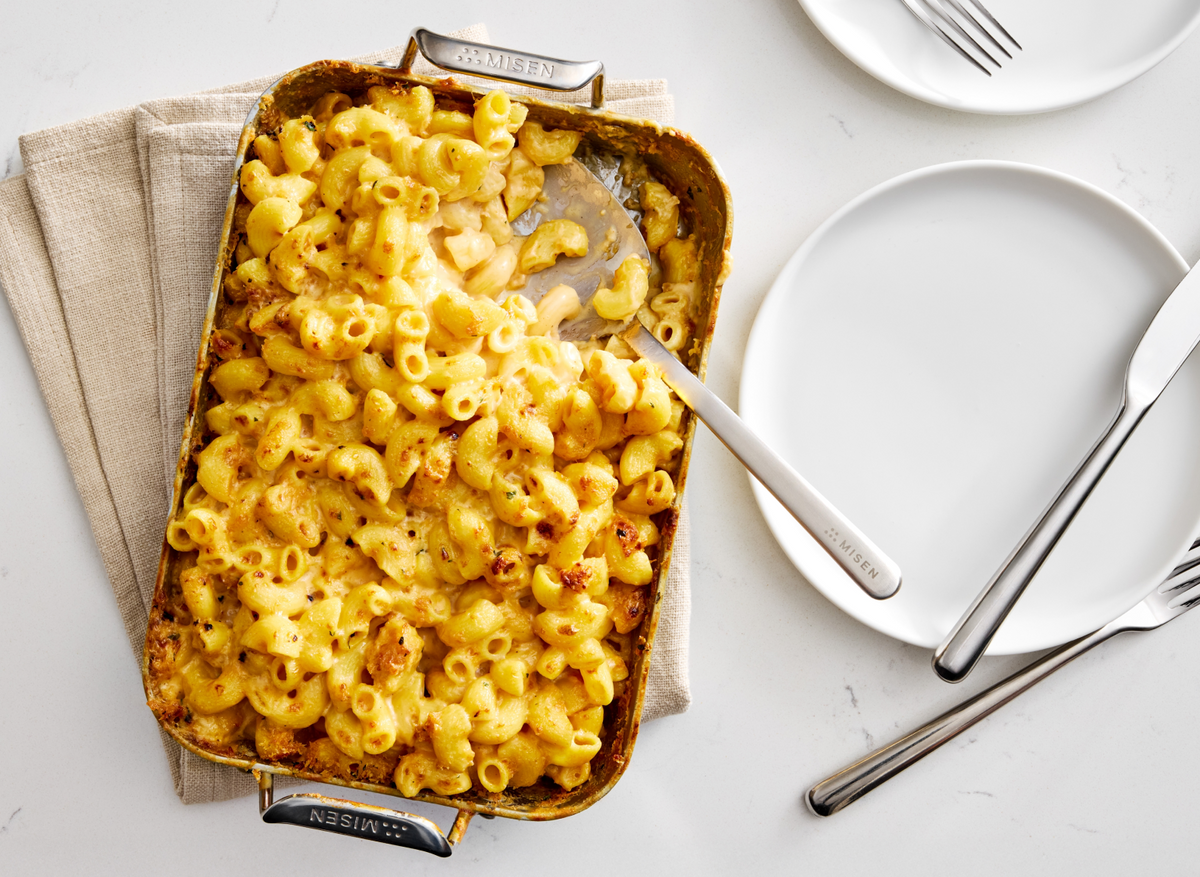
Stainless steel shines when baking egg dishes and casseroles, especially those with acidic ingredients like tomatoes or citrus. The even heat distribution prevents those frustrating hot spots that leave you with burnt edges and raw centers [22]. For frittatas, you'll love how seamlessly you can start on the stovetop and slide straight into the oven—no pan swapping needed.
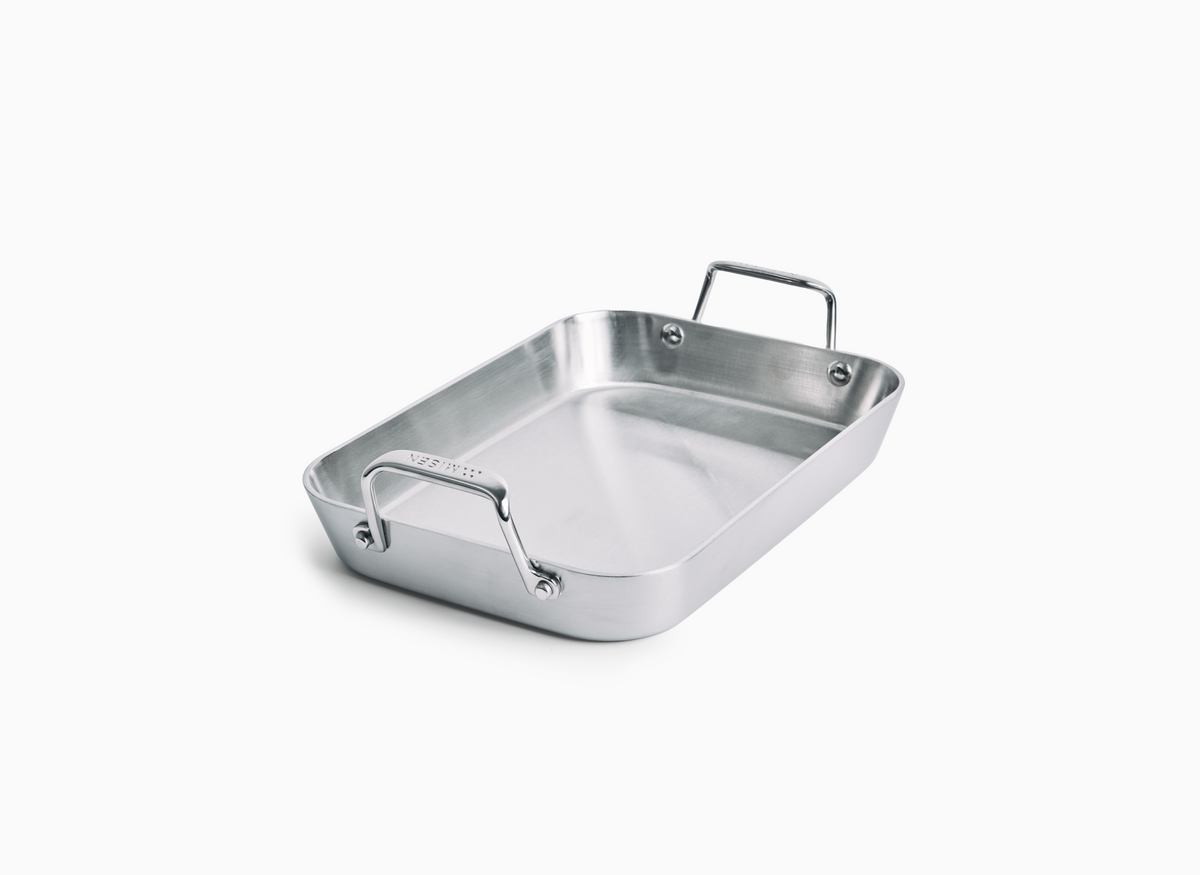
Unlike non-stick options, stainless steel handles the high heat required for that golden-brown casserole top without any safety concerns [23]. The non-reactive surface means your tomato-based pasta bakes and citrusy dishes won't pick up metallic flavors [23]. Seamlessly stamped baking dishes hold up beautifully under heavy, layered dishes like lasagna without warping or leaking [22].
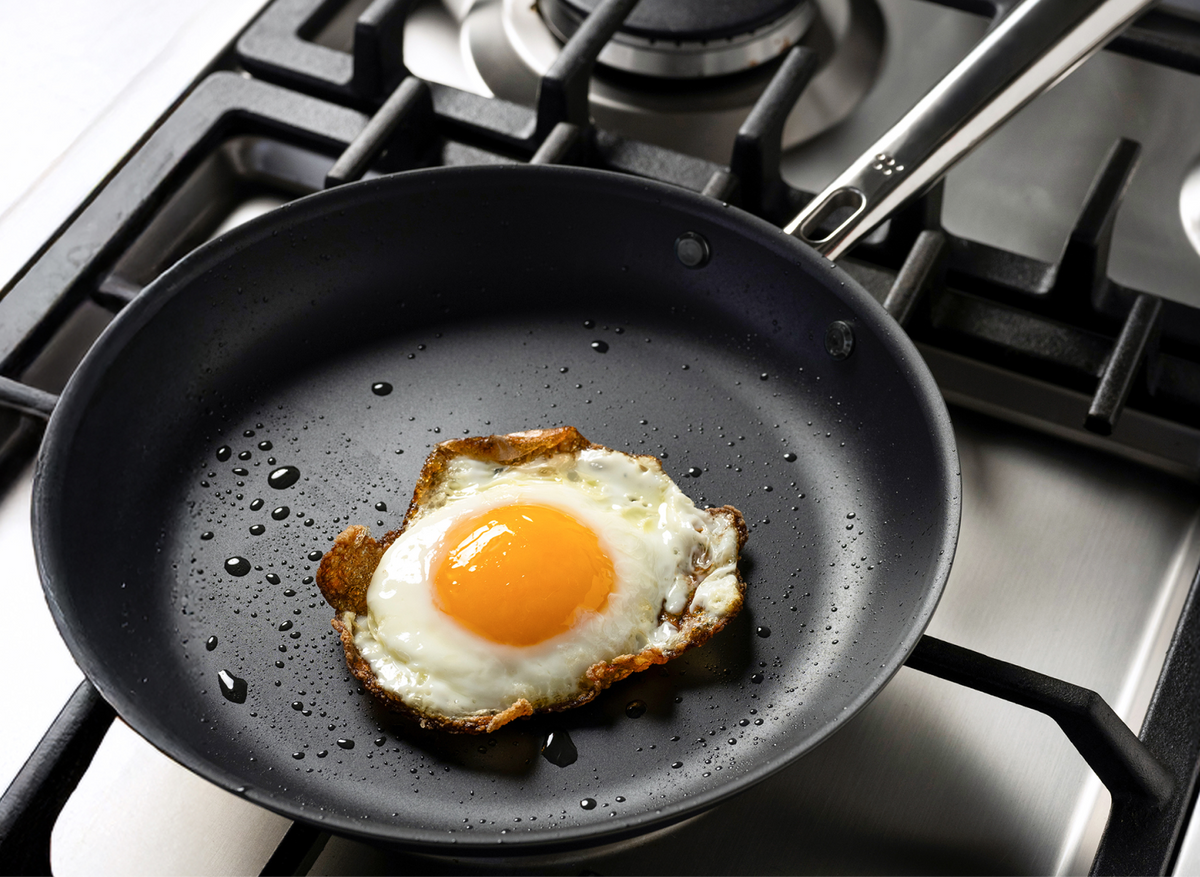
Yes, eggs can stick to stainless steel, but proper preheating and using enough fat solves this issue. Beyond the cooking benefits, these pans look great going straight from oven to table—perfect for those cozy family dinners where presentation matters as much as taste [22].
Oven‑To‑Table Meals That Save Time
Stainless steel transforms weeknight dinners with its oven-to-table versatility.
Care, Maintenance, and Longevity
Treat your stainless steel right—deg-glaze while it’s still warm, call in Bar Keepers Friend for the stubborn stuff, and always let it cool before it hits the water—and it will stay flat, bright, and ready to sear for decades.
Cleaning Methods That Keep Stainless Steel Durable
Proper cleaning maintains stainless steel's durability while preserving its cooking performance. For daily maintenance, start by removing excess oil with a spatula or paper towel, then deglaze the hot pan with warm water to loosen food particles [27]. Use a long-handled dish brush to scrub away stuck-on bits before they harden [28]. For routine cleaning, a green scouring pad with dish soap effectively removes most residue without damaging the pan's surface [28]. While light scratches are inevitable with regular use, they won't affect cooking performance [28].
For stubborn stains and discoloration, powdered cleaners offer remarkable results. Bar Keepers Friend Cookware Cleanser & Polish consistently outperforms other methods, often removing stains with just one or two scrubs [27]. When paired with steel wool, this combination creates what testers call a "magical" cleaning effect, restoring pans to near-new condition [27]. For those preferring natural alternatives, a baking soda and lemon mixture effectively removes moderate stains—wet the pan surface, sprinkle with baking soda, then scrub using the cut side of a lemon [27]. This method creates a fizzing reaction that helps dissolve stains while the abrasive powder assists with removal [27].
For deeply set stains that climb up pan sides, boil a solution of baking soda and water directly in the affected cookware [28]. As the water evaporates, it leaves a film of baking soda on the walls that can be scrubbed away while still hot (using protective gloves) [28]. For years of accumulated grime, consider the submersion method—place the pan in a larger pot of boiling water with ¼ to ½ cup of baking soda for 15-30 minutes, allowing the solution to flake off brown residue [28]. For maximum durability, always allow pans to cool slightly before cleaning to prevent warping from thermal shock [28].
Preventing Warping and Discoloration Over Years
Temperature management prevents the two most common forms of stainless steel damage: warping and discoloration. Always let pans cool before cleaning—plunging hot cookware into cold water creates thermal shock that permanently warps metal [29]. Preheat gradually on medium heat rather than immediately using high temperatures, as excessive heat causes both warping and rainbow discoloration from chromium reacting with oxygen [30]. This rainbow effect, while harmless, makes cookware look aged [30].
For stubborn discoloration, a simple solution of equal parts vinegar and water breaks down the oxidized layer causing the rainbow effect [30]. Cooking technique significantly impacts longevity—add salt only to boiling water, not cold, as salt in unheated water can pit stainless steel surfaces [31]. Prevent food sticking and subsequent scorching by ensuring adequate fat or liquid in the pan before adding food [29]. Moving ingredients frequently during cooking not only improves food texture but also prevents localized heat buildup that damages cookware [29].
Some cooking sprays leave residues that discolor pans over time, so traditional oils often provide better long-term results [31]. Proper utensil choice extends cookware life—wooden or silicone tools reduce surface scratching that creates opportunities for staining and corrosion [29]. When storing stainless steel, prevent metal-on-metal contact by placing protective barriers between stacked pans—even simple paper towels effectively prevent scratches that compromise appearance and eventually performance [29].
Why Proper Care Reduces Waste and Landfill Impact
Properly maintaining stainless steel cookware significantly reduces environmental impact through extended product lifespan. Well-cared-for stainless steel can last decades, minimizing the frequency of replacement and keeping materials out of landfills where metal cookware takes centuries to degrade [32]. Each discarded pan contributes to growing landfill problems and resource depletion, making longevity through proper care an essential environmental consideration [33].
When stainless steel eventually reaches the end of its useful life, it remains 100% recyclable—the metal can be melted down and repurposed into new products, diverting waste from landfills and decreasing overall resource consumption [32]. This recyclability creates a circular economy that reduces pressure on primary resources and the substantial environmental toll of mining and refining virgin metals [33]. Simple maintenance practices—gradual preheating, proper cleaning methods, avoiding thermal shock, and using appropriate utensils—dramatically extend cookware lifespan [34].
By preserving your stainless steel through these techniques, you're not just protecting your investment but actively participating in waste reduction and resource conservation [34]. The environmental benefits compound over time: each piece of cookware kept in service through proper care represents resources conserved, energy saved, and pollution prevented throughout the manufacturing and disposal cycle [33].
Common Mistakes & Quick Faqs
Ditch the non-stick and scratched pans—uncoated 18/10 stainless steel is the only cookware that lets you crank your oven or broiler past 500°F without risking toxic fumes or metal leaching.
What to Avoid: Non‑Oven‑Safe Coatings
Non-stick coatings are the biggest concern when using any cookware in the oven. These coatings, particularly PTFE (commonly known as Teflon), start breaking down at temperatures above 500°F, releasing fumes that can cause flu-like symptoms—breathing difficulty, fever, and sore throat [36]. What's worse is that many coatings contain PFOA or similar chemicals that have been linked to health concerns, and these compounds begin releasing when the pan overheats [36]. Here's what you need to know: while manufacturers started phasing out PFOA after 2013, plenty of older pans still contain these substances [37].
Even some pans marketed as "non-toxic" or "PFOA-free" have tested positive for these chemicals [36]. True ceramic coatings offer a safer alternative since they're made from silicon dioxide and metal oxides instead of problematic PFAS chemicals [36]. Another consideration—badly scratched or damaged stainless steel might release trace amounts of nickel and chromium at high temperatures, particularly when cooking acidic foods [35][37]. Your best bet?
Stick with high-quality uncoated stainless steel for oven use. It's what we recommend for worry-free cooking at any temperature [37].
Can You Use Stainless Steel on the Broiler?
Yes, stainless steel is excellent for broiler use—it handles the intense, direct heat without warping or degrading, letting you achieve that perfect caramelized crust broiling is famous for [38].
Here's the important safety note: handles will get screaming hot under the broiler, even "stay-cool" handles.
Answers to the Most Asked “can Stainless Steel Go in the Oven” Questions
Here's what you need to know: most stainless steel cookware handles oven temperatures between 400°F and 800°F, with 500°F being a safe average for regular use [9][40]. The grade matters—18/10 stainless steel (that's 18% chromium and 10% nickel) and 300-series grades like 304 take higher heat better than 400-series options [9]. The real temperature limits often come from other components. Non-stick coatings typically fail at 500°F, potentially releasing harmful fumes [40].
Plastic or silicone-wrapped handles drastically lower the safe temperature—sometimes to just 350°F [40]. Lids add another layer of complexity. While stainless steel lids generally match their pan's heat tolerance, glass lids usually cap out around 400°F [40]. Some manufacturers specifically warn against oven use for their lids—steel can warp and glass might shatter under high heat [40].
Your best resource? The manufacturer's manual or website. Don't trust third-party retailers for temperature info—it's often incorrect [40]. Quick safety reminders: - Avoid temperature shocks (they cause warping) - Everything will be hot—use proper potholders - Turn handles toward the wall when removing pans from the oven [40] As covered in our temperature limits section above, quality stainless steel easily handles typical home cooking temperatures with room to spare.
Key Takeaways
- Grade 304/18-8 stainless steel stays safe up to 1,598°F, far above any home-oven setting.
- Plastic or silicone handles cap oven use at 350–400°F; all-metal handles have no ceiling.
- Tempered-glass lids usually max out around 400°F; stainless lids survive 500°F+.
- Non-stick coatings degrade above 500°F and can release toxic fumes—stick to uncoated steel.
- Let hot pans cool before water contact; thermal shock warps even premium stainless.
- Salt only into boiling water to prevent pitting; add fat before food to curb sticking and scorch.
- Use 18/10 or 300-series grades for broiling; check knob material, not just the pan body.
References
- https://www.marlinwire.com/blog/what-is-the-temperature-range-for-304-stainless-steel-vs-316-vs-330
- https://www.azom.com/article.aspx?ArticleID=2867
- https://eoxs.com/new_blog/temperature-limits-for-different-grades-of-stainless-steel/
- https://fbsteelsupply.com/wondering-if-stainless-steel-can-go-in-the-oven-safely/
- https://stainlesssteelguide.com/can-stainless-steel-go-in-the-oven/
- https://www.foodandwine.com/best-stainless-steel-skillets-6753861
- https://prudentreviews.com/misen-cookware-review/
- https://gengfeisteel.com/news/can-you-put-stainless-steel-in-the-oven/
- https://www.thekitchn.com/stainless-steel-in-oven-23705483
- https://www.lecreuset.co.uk/en_GB/how-to-use-stainless-steel-cookware/cap0100.html
- https://ovenspot.com/stainless-steel-oven/
- https://thedoublewave.com/blogs/blog-articles/can-you-put-a-pan-in-the-oven?srsltid=AfmBOophYbDp7SLiSezVn1FjmHlZ8Su_6WaqIJGZZGG-jsiWKzs2GfKN
- https://www.debuyer-usa.com/blogs/how-to/the-art-of-broiling-a-guide-to-perfectly-cooked-dishes?srsltid=AfmBOoo0ap-_LmAH8leuyOJM-IfAMDMGu9Xg6rWeWLRd6x6zZ42b3ShL
- https://www.reddit.com/r/AskCulinary/comments/13jka6y/tryply_stainless_steel_cookware_and_high_heat/
- https://www.allrecipes.com/article/is-my-cookware-really-oven-safe/
- https://www.centurylife.org/glass-vs-solid-stainless-steel-metal-lids-which-are-better-what-about-universal-lids/
- https://www.xianghai.com/news/glass-vs-stainless-steel-cookware-lids-pros-cons-best-uses-in-modern-kitchens/
- https://www.reddit.com/r/Cooking/comments/ruc8y1/i_just_bought_stainless_steel_cookware_what/
- https://hauslane.com/blogs/resources/how-to-use-and-care-for-stainless-steel-pans?srsltid=AfmBOooaxvqkPGTLcNsBjGM9bpFDgozw-DB2AQEOgxDMPpRo3zPv5rK3
- https://www.seriouseats.com/perfect-pan-seared-steaks-recipe
- https://www.reddit.com/r/AskCulinary/comments/lz5taz/searing_steak_on_stainless_steel_pan/
- https://heritageways.com/benefits-of-using-stainless-steel-bakeware/
- https://www.lifeisbutadish.com/why-stainless-steel-cookware-is-the-best/
- https://mintykitchen.com/how-to-cook-with-stainless-steel/
- https://libertytabletop.com/product/stainless-steel-oven-to-table-pan/?srsltid=AfmBOopbRWSpDW737naqlnWgLMD3SKJt19t_HV0CQGqlU6c5tzJ98vPV
- https://www.foodandwine.com/cooking-techniques/dutch-oven-recipes
- https://www.thekitchn.com/best-method-cleaning-discolored-stainless-steel-cookware-23186094
- https://www.nytimes.com/wirecutter/guides/how-to-clean-stainless-steel-pans/
- https://www.marthastewart.com/7617742/how-care-stainless-steel-pan-prevent-burning-warping
- https://currently.att.yahoo.com/att/mistake-quickly-discolor-stainless-steel-010000511.html
- https://chopchopusa.com/blogs/news/how-to-make-stainless-steel-cookware-last-a-lifetime
- https://www.zhenneng.com/a-news-how-does-stainless-steel-cookware-contribute-to-a-healthier-cooking-environment
- https://skiphirehonoroak.co.uk/blog/the-environmental-impact-of-disposing-cookware-responsibly
- https://houseclearanceleyton.com/blog/how-to-handle-old-pots-and-pans-the-ecofriendly-way
- https://pmc.ncbi.nlm.nih.gov/articles/PMC4284091/
- https://www.consumerreports.org/toxic-chemicals-substances/you-cant-always-trust-claims-on-non-toxic-cookware-a4849321487/
- https://www.aarp.org/home-living/pots-and-pans-safety-guide/
- https://www.reddit.com/r/Cooking/comments/v2wqi9/can_you_broil_or_bake_in_stainless_steel_pans/
- https://us.farandaway.co/blogs/news/broiler-pans
- https://prudentreviews.com/stainless-steel-cookware-oven-safe/