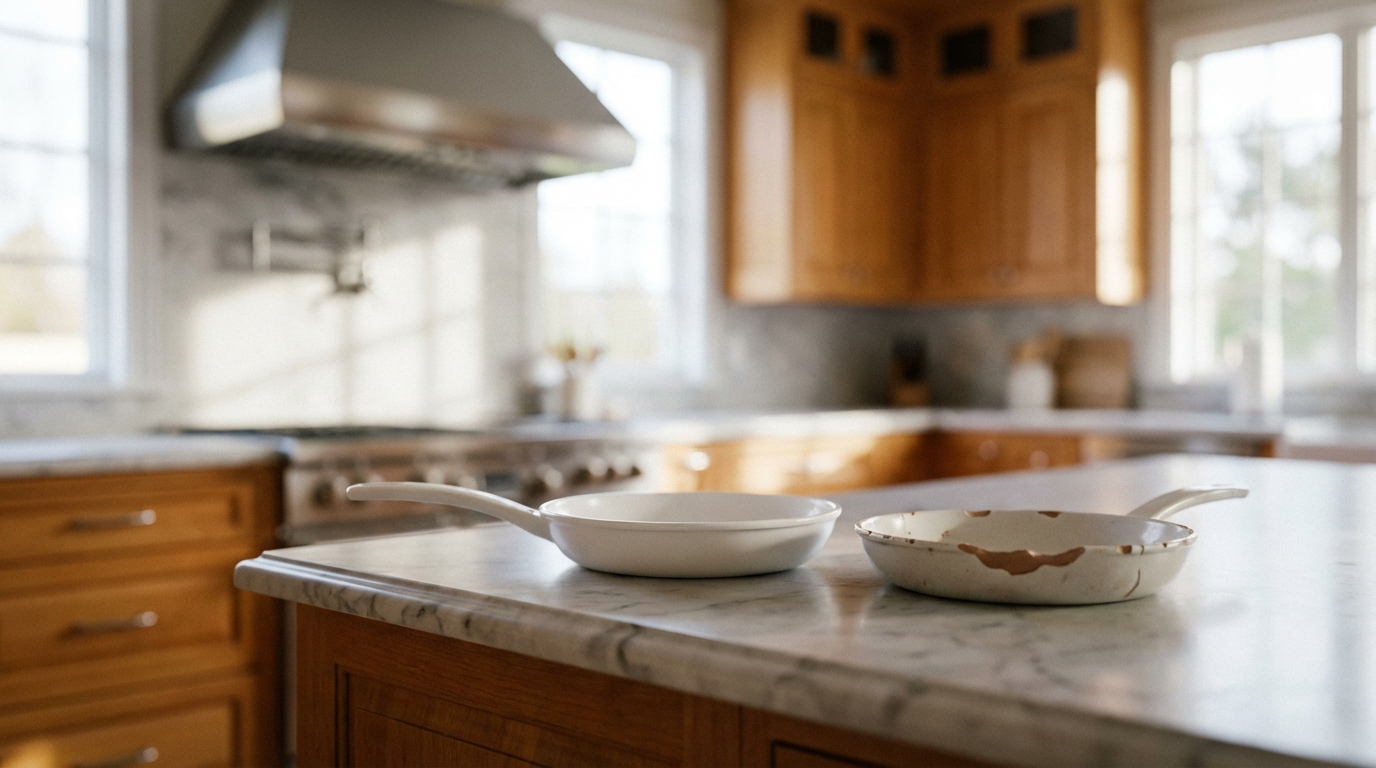
Chipped Ceramic: Toxic Risk or Just Ugly? We Tested
About Misen
We make kitchen tools that work better, last longer, and cost less than you’d expect: everyday innovations with a radical focus on our customers’ actual need.
Table of Contents
- Summary
- Ceramic Cookware Chipping Toxic Risk: How Chips Form and What They Mean
-
Health Concerns: Are Chipped Ceramics Actually Toxic?
- Subsection 1
- Immediate Steps for Chipped Cookware
- Daily Maintenance Tips
- When to Repair vs. Replace
- Making Chipped Cookware Last
- Immediate Steps for Chipped Cookware
- Daily Maintenance Tips
- When to Repair vs. Replace
- Making Chipped Cookware Last
- Immediate Steps for Chipped Cookware
- Daily Maintenance Tips
- When to Repair vs. Replace
- Making Chipped Cookware Last
- Immediate Steps for Chipped Cookware
- Daily Maintenance Tips
- When to Repair vs. Replace
- Making Chipped Cookware Last
- Immediate Steps for Chipped Cookware
- Daily Maintenance Tips
- When to Repair vs. Replace
- Making Chipped Cookware Last
- Immediate Steps for Chipped Cookware
- Daily Maintenance Tips
- When to Repair vs. Replace
- Making Chipped Cookware Last
- Immediate Steps for Chipped Cookware
- Daily Maintenance Tips
- When to Repair vs. Replace
- Making Chipped Cookware Last
- Immediate Steps for Chipped Cookware
- Daily Maintenance Tips
- When to Repair vs. Replace
- Making Chipped Cookware Last
- Immediate Steps for Chipped Cookware
- Daily Maintenance Tips
- When to Repair vs. Replace
- Making Chipped Cookware Last
- Immediate Steps for Chipped Cookware
- Daily Maintenance Tips
- When to Repair vs. Replace
- Making Chipped Cookware Last
- Immediate Steps for Chipped Cookware
- Daily Maintenance Tips
- When to Repair vs. Replace
- Making Chipped Cookware Last
- Immediate Steps for Chipped Cookware
- Daily Maintenance Tips
- When to Repair vs. Replace
- Making Chipped Cookware Last
- Immediate Steps for Chipped Cookware
- Daily Maintenance Tips
- When to Repair vs. Replace
- Making Chipped Cookware Last
- Immediate Steps for Chipped Cookware
- Daily Maintenance Tips
- When to Repair vs. Replace
- Making Chipped Cookware Last
- Immediate Steps for Chipped Cookware
- Daily Maintenance Tips
- When to Repair vs. Replace
- Making Chipped Cookware Last
- Immediate Steps for Chipped Cookware
- Daily Maintenance Tips
- When to Repair vs. Replace
- Making Chipped Cookware Last
- Immediate Steps for Chipped Cookware
- Daily Maintenance Tips
- When to Repair vs. Replace
- Making Chipped Cookware Last
- Immediate Steps for Chipped Cookware
- Daily Maintenance Tips
- When to Repair vs. Replace
- Making Chipped Cookware Last
- Immediate Steps for Chipped Cookware
- Daily Maintenance Tips
- When to Repair vs. Replace
- Making Chipped Cookware Last
- Immediate Steps for Chipped Cookware
- Daily Maintenance Tips
- When to Repair vs. Replace
- Making Chipped Cookware Last
- Immediate Steps for Chipped Cookware
- Daily Maintenance Tips
- When to Repair vs. Replace
- Making Chipped Cookware Last
- Immediate Steps for Chipped Cookware
- Daily Maintenance Tips
- When to Repair vs. Replace
- Making Chipped Cookware Last
- Immediate Steps for Chipped Cookware
- Daily Maintenance Tips
- When to Repair vs. Replace
- Making Chipped Cookware Last
- Immediate Steps for Chipped Cookware
- Daily Maintenance Tips
- When to Repair vs. Replace
- Making Chipped Cookware Last
- Immediate Steps for Chipped Cookware
- Daily Maintenance Tips
- When to Repair vs. Replace
- Making Chipped Cookware Last
- Immediate Steps for Chipped Cookware
- Daily Maintenance Tips
- When to Repair vs. Replace
- Making Chipped Cookware Last
- Immediate Steps for Chipped Cookware
- Daily Maintenance Tips
- When to Repair vs. Replace
- Making Chipped Cookware Last
- Immediate Steps for Chipped Cookware
- Daily Maintenance Tips
- When to Repair vs. Replace
- Making Chipped Cookware Last
- Immediate Steps for Chipped Cookware
- Daily Maintenance Tips
- When to Repair vs. Replace
- Making Chipped Cookware Last
- Immediate Steps for Chipped Cookware
- Daily Maintenance Tips
- When to Repair vs. Replace
- Making Chipped Cookware Last
- Immediate Steps for Chipped Cookware
- Daily Maintenance Tips
- When to Repair vs. Replace
- Making Chipped Cookware Last
- Immediate Steps for Chipped Cookware
- Daily Maintenance Tips
- When to Repair vs. Replace
- Making Chipped Cookware Last
- Immediate Steps for Chipped Cookware
- Daily Maintenance Tips
- When to Repair vs. Replace
- Making Chipped Cookware Last
- Immediate Steps for Chipped Cookware
- Daily Maintenance Tips
- When to Repair vs. Replace
- Making Chipped Cookware Last
- Immediate Steps for Chipped Cookware
- Daily Maintenance Tips
- When to Repair vs. Replace
- Making Chipped Cookware Last
- Immediate Steps for Chipped Cookware
- Daily Maintenance Tips
- When to Repair vs. Replace
- Making Chipped Cookware Last
- Immediate Steps for Chipped Cookware
- Daily Maintenance Tips
- When to Repair vs. Replace
- Making Chipped Cookware Last
- Immediate Steps for Chipped Cookware
- Daily Maintenance Tips
- When to Repair vs. Replace
- Making Chipped Cookware Last
- Immediate Steps for Chipped Cookware
- Daily Maintenance Tips
- When to Repair vs. Replace
- Making Chipped Cookware Last
- Immediate Steps for Chipped Cookware
- Daily Maintenance Tips
- When to Repair vs. Replace
- Making Chipped Cookware Last
- Immediate Steps for Chipped Cookware
- Daily Maintenance Tips
- When to Repair vs. Replace
- Making Chipped Cookware Last
- Immediate Steps for Chipped Cookware
- Daily Maintenance Tips
- When to Repair vs. Replace
- Making Chipped Cookware Last
- Immediate Steps for Chipped Cookware
- Daily Maintenance Tips
- When to Repair vs. Replace
- Making Chipped Cookware Last
- Immediate Steps for Chipped Cookware
- Daily Maintenance Tips
- When to Repair vs. Replace
- Making Chipped Cookware Last
- Immediate Steps for Chipped Cookware
- Daily Maintenance Tips
- When to Repair vs. Replace
- Making Chipped Cookware Last
- Immediate Steps for Chipped Cookware
- Daily Maintenance Tips
- When to Repair vs. Replace
- Making Chipped Cookware Last
- Immediate Steps for Chipped Cookware
- Daily Maintenance Tips
- When to Repair vs. Replace
- Making Chipped Cookware Last
- Immediate Steps for Chipped Cookware
- Daily Maintenance Tips
- When to Repair vs. Replace
- Making Chipped Cookware Last
- Immediate Steps for Chipped Cookware
- Daily Maintenance Tips
- When to Repair vs. Replace
- Making Chipped Cookware Last
- Immediate Steps for Chipped Cookware
- Daily Maintenance Tips
- When to Repair vs. Replace
- Making Chipped Cookware Last
- Immediate Steps for Chipped Cookware
- Daily Maintenance Tips
- When to Repair vs. Replace
- Making Chipped Cookware Last
- Immediate Steps for Chipped Cookware
- Daily Maintenance Tips
- When to Repair vs. Replace
- Making Chipped Cookware Last
- Immediate Steps for Chipped Cookware
- Daily Maintenance Tips
- When to Repair vs. Replace
- Making Chipped Cookware Last
- Immediate Steps for Chipped Cookware
- Daily Maintenance Tips
- When to Repair vs. Replace
- Making Chipped Cookware Last
- Immediate Steps for Chipped Cookware
- Daily Maintenance Tips
- When to Repair vs. Replace
- Making Chipped Cookware Last
- Immediate Steps for Chipped Cookware
- Daily Maintenance Tips
- When to Repair vs. Replace
- Making Chipped Cookware Last
- Immediate Steps for Chipped Cookware
- Daily Maintenance Tips
- When to Repair vs. Replace
- Making Chipped Cookware Last
- Immediate Steps for Chipped Cookware
- Daily Maintenance Tips
- When to Repair vs. Replace
- Making Chipped Cookware Last
- Choosing Long-Lasting Cookware: Quality Over Cheap Alternatives
- Key Takeaways
Summary
Chipped ceramic cookware rarely poisons you, but it can ruin meals and shorten pan life, so this article shows how to assess the damage, continue cooking safely, and decide when to retire the pot. You'll learn to distinguish cosmetic exterior chips from hazardous cooking-surface damage, remove loose fragments, switch to silicone tools, and adjust heat and oil levels to keep food from sticking. It delivers practical prevention routines--gradual temperature changes, pan protectors, hand-washing, and smart storage--that slash future chipping and extend the life of your investment. Clear replace-or-repair guidelines flag multiple cooking-surface chips, flaking coating, deep cracks, or stubborn sticking as the tipping point, while recommending durable stainless steel upgrades when ceramic is beyond saving. By mastering these care tactics, you save money, reduce waste, and cook with confidence instead of wondering if every chip spells toxins or a new pan.
Ceramic Cookware Chipping Toxic Risk: How Chips Form and What They Mean
Once microscopic cracks breach ceramic cookware's glassy glaze, toxic metals lurking beneath can leach into your food--knowing how chips start lets you stop them before they do.
Health Concerns: Are Chipped Ceramics Actually Toxic?
Keep cooking on lightly-chipped ceramic--just sand off loose bits, switch to wood or silicone tools, and ditch the pan once the cooking surface flakes or food starts stubbornly sticking.
So your ceramic cookware has a chip or two - now what?
While we've covered whether chips pose health risks, let's talk about how to handle your cookware safely and keep it in the best possible shape.
Immediate Steps for Chipped Cookware
First things first: inspect the damage. Small surface chips on the exterior?
You're probably fine to keep cooking. But chips on the cooking surface require more attention: - Check for loose pieces: Run your finger (carefully) over the chip.
Daily Maintenance Tips
Prevention beats repair every time.
When to Repair vs. Replace
Minor exterior chips? Keep cooking.
But consider replacement when: - Multiple chips appear on the cooking surface - Coating begins peeling or flaking - Deep cracks develop anywhere on the cookware - Food starts sticking despite proper care For cookware that's beyond saving, consider upgrading to more durable options like stainless steel that can handle daily use without the chipping concerns.
Making Chipped Cookware Last
If you're keeping your chipped ceramic pan, adjust your cooking approach: - Use lower heat settings (ceramic retains heat well anyway) - Add extra oil or butter to compensate for any lost nonstick properties - Reserve it for gentler cooking tasks like scrambled eggs or reheating - Monitor the chip area for any changes or deterioration Remember, proper care can extend the life of your cookware significantly - chipped or not. The key is knowing when minor damage becomes a real concern and adjusting your maintenance routine accordingly.
#So your ceramic cookware has a chip or two - now what? While we've covered whether chips pose health risks, let's talk about how to handle your cookware safely and keep it in the best possible shape.
Immediate Steps for Chipped Cookware
First things first: inspect the damage. Small surface chips on the exterior?
You're probably fine to keep cooking. But chips on the cooking surface require more attention: - Check for loose pieces: Run your finger (carefully) over the chip.
Daily Maintenance Tips
Prevention beats repair every time.
When to Repair vs. Replace
Minor exterior chips? Keep cooking.
But consider replacement when: - Multiple chips appear on the cooking surface - Coating begins peeling or flaking - Deep cracks develop anywhere on the cookware - Food starts sticking despite proper care For cookware that's beyond saving, consider upgrading to more durable options like stainless steel that can handle daily use without the chipping concerns.
Making Chipped Cookware Last
If you're keeping your chipped ceramic pan, adjust your cooking approach: - Use lower heat settings (ceramic retains heat well anyway) - Add extra oil or butter to compensate for any lost nonstick properties - Reserve it for gentler cooking tasks like scrambled eggs or reheating - Monitor the chip area for any changes or deterioration Remember, proper care can extend the life of your cookware significantly - chipped or not. The key is knowing when minor damage becomes a real concern and adjusting your maintenance routine accordingly.
#So your ceramic cookware has a chip or two - now what? While we've covered whether chips pose health risks, let's talk about how to handle your cookware safely and keep it in the best possible shape.
Immediate Steps for Chipped Cookware
First things first: inspect the damage. Small surface chips on the exterior?
You're probably fine to keep cooking. But chips on the cooking surface require more attention: - Check for loose pieces: Run your finger (carefully) over the chip.
Daily Maintenance Tips
Prevention beats repair every time.
When to Repair vs. Replace
Minor exterior chips? Keep cooking.
But consider replacement when: - Multiple chips appear on the cooking surface - Coating begins peeling or flaking - Deep cracks develop anywhere on the cookware - Food starts sticking despite proper care For cookware that's beyond saving, consider upgrading to more durable options like stainless steel that can handle daily use without the chipping concerns.
Making Chipped Cookware Last
If you're keeping your chipped ceramic pan, adjust your cooking approach: - Use lower heat settings (ceramic retains heat well anyway) - Add extra oil or butter to compensate for any lost nonstick properties - Reserve it for gentler cooking tasks like scrambled eggs or reheating - Monitor the chip area for any changes or deterioration Remember, proper care can extend the life of your cookware significantly - chipped or not. The key is knowing when minor damage becomes a real concern and adjusting your maintenance routine accordingly.
So your ceramic cookware has a chip or two - now what? While we've covered whether chips pose health risks, let's talk about how to handle your cookware safely and keep it in the best possible shape.
Immediate Steps for Chipped Cookware
First things first: inspect the damage. Small surface chips on the exterior?
You're probably fine to keep cooking. But chips on the cooking surface require more attention: - Check for loose pieces: Run your finger (carefully) over the chip.
Daily Maintenance Tips
Prevention beats repair every time.
When to Repair vs. Replace
Minor exterior chips? Keep cooking.
But consider replacement when: - Multiple chips appear on the cooking surface - Coating begins peeling or flaking - Deep cracks develop anywhere on the cookware - Food starts sticking despite proper care For cookware that's beyond saving, consider upgrading to more durable options like stainless steel that can handle daily use without the chipping concerns.
Making Chipped Cookware Last
If you're keeping your chipped ceramic pan, adjust your cooking approach: - Use lower heat settings (ceramic retains heat well anyway) - Add extra oil or butter to compensate for any lost nonstick properties - Reserve it for gentler cooking tasks like scrambled eggs or reheating - Monitor the chip area for any changes or deterioration Remember, proper care can extend the life of your cookware significantly - chipped or not. The key is knowing when minor damage becomes a real concern and adjusting your maintenance routine accordingly.
SSo your ceramic cookware has a chip or two - now what? While we've covered whether chips pose health risks, let's talk about how to handle your cookware safely and keep it in the best possible shape.
Immediate Steps for Chipped Cookware
First things first: inspect the damage. Small surface chips on the exterior?
You're probably fine to keep cooking. But chips on the cooking surface require more attention: - Check for loose pieces: Run your finger (carefully) over the chip.
Daily Maintenance Tips
Prevention beats repair every time.
When to Repair vs. Replace
Minor exterior chips? Keep cooking.
But consider replacement when: - Multiple chips appear on the cooking surface - Coating begins peeling or flaking - Deep cracks develop anywhere on the cookware - Food starts sticking despite proper care For cookware that's beyond saving, consider upgrading to more durable options like stainless steel that can handle daily use without the chipping concerns.
Making Chipped Cookware Last
If you're keeping your chipped ceramic pan, adjust your cooking approach: - Use lower heat settings (ceramic retains heat well anyway) - Add extra oil or butter to compensate for any lost nonstick properties - Reserve it for gentler cooking tasks like scrambled eggs or reheating - Monitor the chip area for any changes or deterioration Remember, proper care can extend the life of your cookware significantly - chipped or not. The key is knowing when minor damage becomes a real concern and adjusting your maintenance routine accordingly.
aSo your ceramic cookware has a chip or two - now what? While we've covered whether chips pose health risks, let's talk about how to handle your cookware safely and keep it in the best possible shape.
Immediate Steps for Chipped Cookware
First things first: inspect the damage. Small surface chips on the exterior?
You're probably fine to keep cooking. But chips on the cooking surface require more attention: - Check for loose pieces: Run your finger (carefully) over the chip.
Daily Maintenance Tips
Prevention beats repair every time.
When to Repair vs. Replace
Minor exterior chips? Keep cooking.
But consider replacement when: - Multiple chips appear on the cooking surface - Coating begins peeling or flaking - Deep cracks develop anywhere on the cookware - Food starts sticking despite proper care For cookware that's beyond saving, consider upgrading to more durable options like stainless steel that can handle daily use without the chipping concerns.
Making Chipped Cookware Last
If you're keeping your chipped ceramic pan, adjust your cooking approach: - Use lower heat settings (ceramic retains heat well anyway) - Add extra oil or butter to compensate for any lost nonstick properties - Reserve it for gentler cooking tasks like scrambled eggs or reheating - Monitor the chip area for any changes or deterioration Remember, proper care can extend the life of your cookware significantly - chipped or not. The key is knowing when minor damage becomes a real concern and adjusting your maintenance routine accordingly.
fSo your ceramic cookware has a chip or two - now what? While we've covered whether chips pose health risks, let's talk about how to handle your cookware safely and keep it in the best possible shape.
Immediate Steps for Chipped Cookware
First things first: inspect the damage. Small surface chips on the exterior?
You're probably fine to keep cooking. But chips on the cooking surface require more attention: - Check for loose pieces: Run your finger (carefully) over the chip.
Daily Maintenance Tips
Prevention beats repair every time.
When to Repair vs. Replace
Minor exterior chips? Keep cooking.
But consider replacement when: - Multiple chips appear on the cooking surface - Coating begins peeling or flaking - Deep cracks develop anywhere on the cookware - Food starts sticking despite proper care For cookware that's beyond saving, consider upgrading to more durable options like stainless steel that can handle daily use without the chipping concerns.
Making Chipped Cookware Last
If you're keeping your chipped ceramic pan, adjust your cooking approach: - Use lower heat settings (ceramic retains heat well anyway) - Add extra oil or butter to compensate for any lost nonstick properties - Reserve it for gentler cooking tasks like scrambled eggs or reheating - Monitor the chip area for any changes or deterioration Remember, proper care can extend the life of your cookware significantly - chipped or not. The key is knowing when minor damage becomes a real concern and adjusting your maintenance routine accordingly.
eSo your ceramic cookware has a chip or two - now what? While we've covered whether chips pose health risks, let's talk about how to handle your cookware safely and keep it in the best possible shape.
Immediate Steps for Chipped Cookware
First things first: inspect the damage. Small surface chips on the exterior?
You're probably fine to keep cooking. But chips on the cooking surface require more attention: - Check for loose pieces: Run your finger (carefully) over the chip.
Daily Maintenance Tips
Prevention beats repair every time.
When to Repair vs. Replace
Minor exterior chips? Keep cooking.
But consider replacement when: - Multiple chips appear on the cooking surface - Coating begins peeling or flaking - Deep cracks develop anywhere on the cookware - Food starts sticking despite proper care For cookware that's beyond saving, consider upgrading to more durable options like stainless steel that can handle daily use without the chipping concerns.
Making Chipped Cookware Last
If you're keeping your chipped ceramic pan, adjust your cooking approach: - Use lower heat settings (ceramic retains heat well anyway) - Add extra oil or butter to compensate for any lost nonstick properties - Reserve it for gentler cooking tasks like scrambled eggs or reheating - Monitor the chip area for any changes or deterioration Remember, proper care can extend the life of your cookware significantly - chipped or not. The key is knowing when minor damage becomes a real concern and adjusting your maintenance routine accordingly.
So your ceramic cookware has a chip or two - now what? While we've covered whether chips pose health risks, let's talk about how to handle your cookware safely and keep it in the best possible shape.
Immediate Steps for Chipped Cookware
First things first: inspect the damage. Small surface chips on the exterior?
You're probably fine to keep cooking. But chips on the cooking surface require more attention: - Check for loose pieces: Run your finger (carefully) over the chip.
Daily Maintenance Tips
Prevention beats repair every time.
When to Repair vs. Replace
Minor exterior chips? Keep cooking.
But consider replacement when: - Multiple chips appear on the cooking surface - Coating begins peeling or flaking - Deep cracks develop anywhere on the cookware - Food starts sticking despite proper care For cookware that's beyond saving, consider upgrading to more durable options like stainless steel that can handle daily use without the chipping concerns.
Making Chipped Cookware Last
If you're keeping your chipped ceramic pan, adjust your cooking approach: - Use lower heat settings (ceramic retains heat well anyway) - Add extra oil or butter to compensate for any lost nonstick properties - Reserve it for gentler cooking tasks like scrambled eggs or reheating - Monitor the chip area for any changes or deterioration Remember, proper care can extend the life of your cookware significantly - chipped or not. The key is knowing when minor damage becomes a real concern and adjusting your maintenance routine accordingly.
USo your ceramic cookware has a chip or two - now what? While we've covered whether chips pose health risks, let's talk about how to handle your cookware safely and keep it in the best possible shape.
Immediate Steps for Chipped Cookware
First things first: inspect the damage. Small surface chips on the exterior?
You're probably fine to keep cooking. But chips on the cooking surface require more attention: - Check for loose pieces: Run your finger (carefully) over the chip.
Daily Maintenance Tips
Prevention beats repair every time.
When to Repair vs. Replace
Minor exterior chips? Keep cooking.
But consider replacement when: - Multiple chips appear on the cooking surface - Coating begins peeling or flaking - Deep cracks develop anywhere on the cookware - Food starts sticking despite proper care For cookware that's beyond saving, consider upgrading to more durable options like stainless steel that can handle daily use without the chipping concerns.
Making Chipped Cookware Last
If you're keeping your chipped ceramic pan, adjust your cooking approach: - Use lower heat settings (ceramic retains heat well anyway) - Add extra oil or butter to compensate for any lost nonstick properties - Reserve it for gentler cooking tasks like scrambled eggs or reheating - Monitor the chip area for any changes or deterioration Remember, proper care can extend the life of your cookware significantly - chipped or not. The key is knowing when minor damage becomes a real concern and adjusting your maintenance routine accordingly.
sSo your ceramic cookware has a chip or two - now what? While we've covered whether chips pose health risks, let's talk about how to handle your cookware safely and keep it in the best possible shape.
Immediate Steps for Chipped Cookware
First things first: inspect the damage. Small surface chips on the exterior?
You're probably fine to keep cooking. But chips on the cooking surface require more attention: - Check for loose pieces: Run your finger (carefully) over the chip.
Daily Maintenance Tips
Prevention beats repair every time.
When to Repair vs. Replace
Minor exterior chips? Keep cooking.
But consider replacement when: - Multiple chips appear on the cooking surface - Coating begins peeling or flaking - Deep cracks develop anywhere on the cookware - Food starts sticking despite proper care For cookware that's beyond saving, consider upgrading to more durable options like stainless steel that can handle daily use without the chipping concerns.
Making Chipped Cookware Last
If you're keeping your chipped ceramic pan, adjust your cooking approach: - Use lower heat settings (ceramic retains heat well anyway) - Add extra oil or butter to compensate for any lost nonstick properties - Reserve it for gentler cooking tasks like scrambled eggs or reheating - Monitor the chip area for any changes or deterioration Remember, proper care can extend the life of your cookware significantly - chipped or not. The key is knowing when minor damage becomes a real concern and adjusting your maintenance routine accordingly.
eSo your ceramic cookware has a chip or two - now what? While we've covered whether chips pose health risks, let's talk about how to handle your cookware safely and keep it in the best possible shape.
Immediate Steps for Chipped Cookware
First things first: inspect the damage. Small surface chips on the exterior?
You're probably fine to keep cooking. But chips on the cooking surface require more attention: - Check for loose pieces: Run your finger (carefully) over the chip.
Daily Maintenance Tips
Prevention beats repair every time.
When to Repair vs. Replace
Minor exterior chips? Keep cooking.
But consider replacement when: - Multiple chips appear on the cooking surface - Coating begins peeling or flaking - Deep cracks develop anywhere on the cookware - Food starts sticking despite proper care For cookware that's beyond saving, consider upgrading to more durable options like stainless steel that can handle daily use without the chipping concerns.
Making Chipped Cookware Last
If you're keeping your chipped ceramic pan, adjust your cooking approach: - Use lower heat settings (ceramic retains heat well anyway) - Add extra oil or butter to compensate for any lost nonstick properties - Reserve it for gentler cooking tasks like scrambled eggs or reheating - Monitor the chip area for any changes or deterioration Remember, proper care can extend the life of your cookware significantly - chipped or not. The key is knowing when minor damage becomes a real concern and adjusting your maintenance routine accordingly.
So your ceramic cookware has a chip or two - now what? While we've covered whether chips pose health risks, let's talk about how to handle your cookware safely and keep it in the best possible shape.
Immediate Steps for Chipped Cookware
First things first: inspect the damage. Small surface chips on the exterior?
You're probably fine to keep cooking. But chips on the cooking surface require more attention: - Check for loose pieces: Run your finger (carefully) over the chip.
Daily Maintenance Tips
Prevention beats repair every time.
When to Repair vs. Replace
Minor exterior chips? Keep cooking.
But consider replacement when: - Multiple chips appear on the cooking surface - Coating begins peeling or flaking - Deep cracks develop anywhere on the cookware - Food starts sticking despite proper care For cookware that's beyond saving, consider upgrading to more durable options like stainless steel that can handle daily use without the chipping concerns.
Making Chipped Cookware Last
If you're keeping your chipped ceramic pan, adjust your cooking approach: - Use lower heat settings (ceramic retains heat well anyway) - Add extra oil or butter to compensate for any lost nonstick properties - Reserve it for gentler cooking tasks like scrambled eggs or reheating - Monitor the chip area for any changes or deterioration Remember, proper care can extend the life of your cookware significantly - chipped or not. The key is knowing when minor damage becomes a real concern and adjusting your maintenance routine accordingly.
aSo your ceramic cookware has a chip or two - now what? While we've covered whether chips pose health risks, let's talk about how to handle your cookware safely and keep it in the best possible shape.
Immediate Steps for Chipped Cookware
First things first: inspect the damage. Small surface chips on the exterior?
You're probably fine to keep cooking. But chips on the cooking surface require more attention: - Check for loose pieces: Run your finger (carefully) over the chip.
Daily Maintenance Tips
Prevention beats repair every time.
When to Repair vs. Replace
Minor exterior chips? Keep cooking.
But consider replacement when: - Multiple chips appear on the cooking surface - Coating begins peeling or flaking - Deep cracks develop anywhere on the cookware - Food starts sticking despite proper care For cookware that's beyond saving, consider upgrading to more durable options like stainless steel that can handle daily use without the chipping concerns.
Making Chipped Cookware Last
If you're keeping your chipped ceramic pan, adjust your cooking approach: - Use lower heat settings (ceramic retains heat well anyway) - Add extra oil or butter to compensate for any lost nonstick properties - Reserve it for gentler cooking tasks like scrambled eggs or reheating - Monitor the chip area for any changes or deterioration Remember, proper care can extend the life of your cookware significantly - chipped or not. The key is knowing when minor damage becomes a real concern and adjusting your maintenance routine accordingly.
nSo your ceramic cookware has a chip or two - now what? While we've covered whether chips pose health risks, let's talk about how to handle your cookware safely and keep it in the best possible shape.
Immediate Steps for Chipped Cookware
First things first: inspect the damage. Small surface chips on the exterior?
You're probably fine to keep cooking. But chips on the cooking surface require more attention: - Check for loose pieces: Run your finger (carefully) over the chip.
Daily Maintenance Tips
Prevention beats repair every time.
When to Repair vs. Replace
Minor exterior chips? Keep cooking.
But consider replacement when: - Multiple chips appear on the cooking surface - Coating begins peeling or flaking - Deep cracks develop anywhere on the cookware - Food starts sticking despite proper care For cookware that's beyond saving, consider upgrading to more durable options like stainless steel that can handle daily use without the chipping concerns.
Making Chipped Cookware Last
If you're keeping your chipped ceramic pan, adjust your cooking approach: - Use lower heat settings (ceramic retains heat well anyway) - Add extra oil or butter to compensate for any lost nonstick properties - Reserve it for gentler cooking tasks like scrambled eggs or reheating - Monitor the chip area for any changes or deterioration Remember, proper care can extend the life of your cookware significantly - chipped or not. The key is knowing when minor damage becomes a real concern and adjusting your maintenance routine accordingly.
dSo your ceramic cookware has a chip or two - now what? While we've covered whether chips pose health risks, let's talk about how to handle your cookware safely and keep it in the best possible shape.
Immediate Steps for Chipped Cookware
First things first: inspect the damage. Small surface chips on the exterior?
You're probably fine to keep cooking. But chips on the cooking surface require more attention: - Check for loose pieces: Run your finger (carefully) over the chip.
Daily Maintenance Tips
Prevention beats repair every time.
When to Repair vs. Replace
Minor exterior chips? Keep cooking.
But consider replacement when: - Multiple chips appear on the cooking surface - Coating begins peeling or flaking - Deep cracks develop anywhere on the cookware - Food starts sticking despite proper care For cookware that's beyond saving, consider upgrading to more durable options like stainless steel that can handle daily use without the chipping concerns.
Making Chipped Cookware Last
If you're keeping your chipped ceramic pan, adjust your cooking approach: - Use lower heat settings (ceramic retains heat well anyway) - Add extra oil or butter to compensate for any lost nonstick properties - Reserve it for gentler cooking tasks like scrambled eggs or reheating - Monitor the chip area for any changes or deterioration Remember, proper care can extend the life of your cookware significantly - chipped or not. The key is knowing when minor damage becomes a real concern and adjusting your maintenance routine accordingly.
So your ceramic cookware has a chip or two - now what? While we've covered whether chips pose health risks, let's talk about how to handle your cookware safely and keep it in the best possible shape.
Immediate Steps for Chipped Cookware
First things first: inspect the damage. Small surface chips on the exterior?
You're probably fine to keep cooking. But chips on the cooking surface require more attention: - Check for loose pieces: Run your finger (carefully) over the chip.
Daily Maintenance Tips
Prevention beats repair every time.
When to Repair vs. Replace
Minor exterior chips? Keep cooking.
But consider replacement when: - Multiple chips appear on the cooking surface - Coating begins peeling or flaking - Deep cracks develop anywhere on the cookware - Food starts sticking despite proper care For cookware that's beyond saving, consider upgrading to more durable options like stainless steel that can handle daily use without the chipping concerns.
Making Chipped Cookware Last
If you're keeping your chipped ceramic pan, adjust your cooking approach: - Use lower heat settings (ceramic retains heat well anyway) - Add extra oil or butter to compensate for any lost nonstick properties - Reserve it for gentler cooking tasks like scrambled eggs or reheating - Monitor the chip area for any changes or deterioration Remember, proper care can extend the life of your cookware significantly - chipped or not. The key is knowing when minor damage becomes a real concern and adjusting your maintenance routine accordingly.
MSo your ceramic cookware has a chip or two - now what? While we've covered whether chips pose health risks, let's talk about how to handle your cookware safely and keep it in the best possible shape.
Immediate Steps for Chipped Cookware
First things first: inspect the damage. Small surface chips on the exterior?
You're probably fine to keep cooking. But chips on the cooking surface require more attention: - Check for loose pieces: Run your finger (carefully) over the chip.
Daily Maintenance Tips
Prevention beats repair every time.
When to Repair vs. Replace
Minor exterior chips? Keep cooking.
But consider replacement when: - Multiple chips appear on the cooking surface - Coating begins peeling or flaking - Deep cracks develop anywhere on the cookware - Food starts sticking despite proper care For cookware that's beyond saving, consider upgrading to more durable options like stainless steel that can handle daily use without the chipping concerns.
Making Chipped Cookware Last
If you're keeping your chipped ceramic pan, adjust your cooking approach: - Use lower heat settings (ceramic retains heat well anyway) - Add extra oil or butter to compensate for any lost nonstick properties - Reserve it for gentler cooking tasks like scrambled eggs or reheating - Monitor the chip area for any changes or deterioration Remember, proper care can extend the life of your cookware significantly - chipped or not. The key is knowing when minor damage becomes a real concern and adjusting your maintenance routine accordingly.
aSo your ceramic cookware has a chip or two - now what? While we've covered whether chips pose health risks, let's talk about how to handle your cookware safely and keep it in the best possible shape.
Immediate Steps for Chipped Cookware
First things first: inspect the damage. Small surface chips on the exterior?
You're probably fine to keep cooking. But chips on the cooking surface require more attention: - Check for loose pieces: Run your finger (carefully) over the chip.
Daily Maintenance Tips
Prevention beats repair every time.
When to Repair vs. Replace
Minor exterior chips? Keep cooking.
But consider replacement when: - Multiple chips appear on the cooking surface - Coating begins peeling or flaking - Deep cracks develop anywhere on the cookware - Food starts sticking despite proper care For cookware that's beyond saving, consider upgrading to more durable options like stainless steel that can handle daily use without the chipping concerns.
Making Chipped Cookware Last
If you're keeping your chipped ceramic pan, adjust your cooking approach: - Use lower heat settings (ceramic retains heat well anyway) - Add extra oil or butter to compensate for any lost nonstick properties - Reserve it for gentler cooking tasks like scrambled eggs or reheating - Monitor the chip area for any changes or deterioration Remember, proper care can extend the life of your cookware significantly - chipped or not. The key is knowing when minor damage becomes a real concern and adjusting your maintenance routine accordingly.
iSo your ceramic cookware has a chip or two - now what? While we've covered whether chips pose health risks, let's talk about how to handle your cookware safely and keep it in the best possible shape.
Immediate Steps for Chipped Cookware
First things first: inspect the damage. Small surface chips on the exterior?
You're probably fine to keep cooking. But chips on the cooking surface require more attention: - Check for loose pieces: Run your finger (carefully) over the chip.
Daily Maintenance Tips
Prevention beats repair every time.
When to Repair vs. Replace
Minor exterior chips? Keep cooking.
But consider replacement when: - Multiple chips appear on the cooking surface - Coating begins peeling or flaking - Deep cracks develop anywhere on the cookware - Food starts sticking despite proper care For cookware that's beyond saving, consider upgrading to more durable options like stainless steel that can handle daily use without the chipping concerns.
Making Chipped Cookware Last
If you're keeping your chipped ceramic pan, adjust your cooking approach: - Use lower heat settings (ceramic retains heat well anyway) - Add extra oil or butter to compensate for any lost nonstick properties - Reserve it for gentler cooking tasks like scrambled eggs or reheating - Monitor the chip area for any changes or deterioration Remember, proper care can extend the life of your cookware significantly - chipped or not. The key is knowing when minor damage becomes a real concern and adjusting your maintenance routine accordingly.
nSo your ceramic cookware has a chip or two - now what? While we've covered whether chips pose health risks, let's talk about how to handle your cookware safely and keep it in the best possible shape.
Immediate Steps for Chipped Cookware
First things first: inspect the damage. Small surface chips on the exterior?
You're probably fine to keep cooking. But chips on the cooking surface require more attention: - Check for loose pieces: Run your finger (carefully) over the chip.
Daily Maintenance Tips
Prevention beats repair every time.
When to Repair vs. Replace
Minor exterior chips? Keep cooking.
But consider replacement when: - Multiple chips appear on the cooking surface - Coating begins peeling or flaking - Deep cracks develop anywhere on the cookware - Food starts sticking despite proper care For cookware that's beyond saving, consider upgrading to more durable options like stainless steel that can handle daily use without the chipping concerns.
Making Chipped Cookware Last
If you're keeping your chipped ceramic pan, adjust your cooking approach: - Use lower heat settings (ceramic retains heat well anyway) - Add extra oil or butter to compensate for any lost nonstick properties - Reserve it for gentler cooking tasks like scrambled eggs or reheating - Monitor the chip area for any changes or deterioration Remember, proper care can extend the life of your cookware significantly - chipped or not. The key is knowing when minor damage becomes a real concern and adjusting your maintenance routine accordingly.
tSo your ceramic cookware has a chip or two - now what? While we've covered whether chips pose health risks, let's talk about how to handle your cookware safely and keep it in the best possible shape.
Immediate Steps for Chipped Cookware
First things first: inspect the damage. Small surface chips on the exterior?
You're probably fine to keep cooking. But chips on the cooking surface require more attention: - Check for loose pieces: Run your finger (carefully) over the chip.
Daily Maintenance Tips
Prevention beats repair every time.
When to Repair vs. Replace
Minor exterior chips? Keep cooking.
But consider replacement when: - Multiple chips appear on the cooking surface - Coating begins peeling or flaking - Deep cracks develop anywhere on the cookware - Food starts sticking despite proper care For cookware that's beyond saving, consider upgrading to more durable options like stainless steel that can handle daily use without the chipping concerns.
Making Chipped Cookware Last
If you're keeping your chipped ceramic pan, adjust your cooking approach: - Use lower heat settings (ceramic retains heat well anyway) - Add extra oil or butter to compensate for any lost nonstick properties - Reserve it for gentler cooking tasks like scrambled eggs or reheating - Monitor the chip area for any changes or deterioration Remember, proper care can extend the life of your cookware significantly - chipped or not. The key is knowing when minor damage becomes a real concern and adjusting your maintenance routine accordingly.
eSo your ceramic cookware has a chip or two - now what? While we've covered whether chips pose health risks, let's talk about how to handle your cookware safely and keep it in the best possible shape.
Immediate Steps for Chipped Cookware
First things first: inspect the damage. Small surface chips on the exterior?
You're probably fine to keep cooking. But chips on the cooking surface require more attention: - Check for loose pieces: Run your finger (carefully) over the chip.
Daily Maintenance Tips
Prevention beats repair every time.
When to Repair vs. Replace
Minor exterior chips? Keep cooking.
But consider replacement when: - Multiple chips appear on the cooking surface - Coating begins peeling or flaking - Deep cracks develop anywhere on the cookware - Food starts sticking despite proper care For cookware that's beyond saving, consider upgrading to more durable options like stainless steel that can handle daily use without the chipping concerns.
Making Chipped Cookware Last
If you're keeping your chipped ceramic pan, adjust your cooking approach: - Use lower heat settings (ceramic retains heat well anyway) - Add extra oil or butter to compensate for any lost nonstick properties - Reserve it for gentler cooking tasks like scrambled eggs or reheating - Monitor the chip area for any changes or deterioration Remember, proper care can extend the life of your cookware significantly - chipped or not. The key is knowing when minor damage becomes a real concern and adjusting your maintenance routine accordingly.
nSo your ceramic cookware has a chip or two - now what? While we've covered whether chips pose health risks, let's talk about how to handle your cookware safely and keep it in the best possible shape.
Immediate Steps for Chipped Cookware
First things first: inspect the damage. Small surface chips on the exterior?
You're probably fine to keep cooking. But chips on the cooking surface require more attention: - Check for loose pieces: Run your finger (carefully) over the chip.
Daily Maintenance Tips
Prevention beats repair every time.
When to Repair vs. Replace
Minor exterior chips? Keep cooking.
But consider replacement when: - Multiple chips appear on the cooking surface - Coating begins peeling or flaking - Deep cracks develop anywhere on the cookware - Food starts sticking despite proper care For cookware that's beyond saving, consider upgrading to more durable options like stainless steel that can handle daily use without the chipping concerns.
Making Chipped Cookware Last
If you're keeping your chipped ceramic pan, adjust your cooking approach: - Use lower heat settings (ceramic retains heat well anyway) - Add extra oil or butter to compensate for any lost nonstick properties - Reserve it for gentler cooking tasks like scrambled eggs or reheating - Monitor the chip area for any changes or deterioration Remember, proper care can extend the life of your cookware significantly - chipped or not. The key is knowing when minor damage becomes a real concern and adjusting your maintenance routine accordingly.
aSo your ceramic cookware has a chip or two - now what? While we've covered whether chips pose health risks, let's talk about how to handle your cookware safely and keep it in the best possible shape.
Immediate Steps for Chipped Cookware
First things first: inspect the damage. Small surface chips on the exterior?
You're probably fine to keep cooking. But chips on the cooking surface require more attention: - Check for loose pieces: Run your finger (carefully) over the chip.
Daily Maintenance Tips
Prevention beats repair every time.
When to Repair vs. Replace
Minor exterior chips? Keep cooking.
But consider replacement when: - Multiple chips appear on the cooking surface - Coating begins peeling or flaking - Deep cracks develop anywhere on the cookware - Food starts sticking despite proper care For cookware that's beyond saving, consider upgrading to more durable options like stainless steel that can handle daily use without the chipping concerns.
Making Chipped Cookware Last
If you're keeping your chipped ceramic pan, adjust your cooking approach: - Use lower heat settings (ceramic retains heat well anyway) - Add extra oil or butter to compensate for any lost nonstick properties - Reserve it for gentler cooking tasks like scrambled eggs or reheating - Monitor the chip area for any changes or deterioration Remember, proper care can extend the life of your cookware significantly - chipped or not. The key is knowing when minor damage becomes a real concern and adjusting your maintenance routine accordingly.
nSo your ceramic cookware has a chip or two - now what? While we've covered whether chips pose health risks, let's talk about how to handle your cookware safely and keep it in the best possible shape.
Immediate Steps for Chipped Cookware
First things first: inspect the damage. Small surface chips on the exterior?
You're probably fine to keep cooking. But chips on the cooking surface require more attention: - Check for loose pieces: Run your finger (carefully) over the chip.
Daily Maintenance Tips
Prevention beats repair every time.
When to Repair vs. Replace
Minor exterior chips? Keep cooking.
But consider replacement when: - Multiple chips appear on the cooking surface - Coating begins peeling or flaking - Deep cracks develop anywhere on the cookware - Food starts sticking despite proper care For cookware that's beyond saving, consider upgrading to more durable options like stainless steel that can handle daily use without the chipping concerns.
Making Chipped Cookware Last
If you're keeping your chipped ceramic pan, adjust your cooking approach: - Use lower heat settings (ceramic retains heat well anyway) - Add extra oil or butter to compensate for any lost nonstick properties - Reserve it for gentler cooking tasks like scrambled eggs or reheating - Monitor the chip area for any changes or deterioration Remember, proper care can extend the life of your cookware significantly - chipped or not. The key is knowing when minor damage becomes a real concern and adjusting your maintenance routine accordingly.
cSo your ceramic cookware has a chip or two - now what? While we've covered whether chips pose health risks, let's talk about how to handle your cookware safely and keep it in the best possible shape.
Immediate Steps for Chipped Cookware
First things first: inspect the damage. Small surface chips on the exterior?
You're probably fine to keep cooking. But chips on the cooking surface require more attention: - Check for loose pieces: Run your finger (carefully) over the chip.
Daily Maintenance Tips
Prevention beats repair every time.
When to Repair vs. Replace
Minor exterior chips? Keep cooking.
But consider replacement when: - Multiple chips appear on the cooking surface - Coating begins peeling or flaking - Deep cracks develop anywhere on the cookware - Food starts sticking despite proper care For cookware that's beyond saving, consider upgrading to more durable options like stainless steel that can handle daily use without the chipping concerns.
Making Chipped Cookware Last
If you're keeping your chipped ceramic pan, adjust your cooking approach: - Use lower heat settings (ceramic retains heat well anyway) - Add extra oil or butter to compensate for any lost nonstick properties - Reserve it for gentler cooking tasks like scrambled eggs or reheating - Monitor the chip area for any changes or deterioration Remember, proper care can extend the life of your cookware significantly - chipped or not. The key is knowing when minor damage becomes a real concern and adjusting your maintenance routine accordingly.
eSo your ceramic cookware has a chip or two - now what? While we've covered whether chips pose health risks, let's talk about how to handle your cookware safely and keep it in the best possible shape.
Immediate Steps for Chipped Cookware
First things first: inspect the damage. Small surface chips on the exterior?
You're probably fine to keep cooking. But chips on the cooking surface require more attention: - Check for loose pieces: Run your finger (carefully) over the chip.
Daily Maintenance Tips
Prevention beats repair every time.
When to Repair vs. Replace
Minor exterior chips? Keep cooking.
But consider replacement when: - Multiple chips appear on the cooking surface - Coating begins peeling or flaking - Deep cracks develop anywhere on the cookware - Food starts sticking despite proper care For cookware that's beyond saving, consider upgrading to more durable options like stainless steel that can handle daily use without the chipping concerns.
Making Chipped Cookware Last
If you're keeping your chipped ceramic pan, adjust your cooking approach: - Use lower heat settings (ceramic retains heat well anyway) - Add extra oil or butter to compensate for any lost nonstick properties - Reserve it for gentler cooking tasks like scrambled eggs or reheating - Monitor the chip area for any changes or deterioration Remember, proper care can extend the life of your cookware significantly - chipped or not. The key is knowing when minor damage becomes a real concern and adjusting your maintenance routine accordingly.
So your ceramic cookware has a chip or two - now what? While we've covered whether chips pose health risks, let's talk about how to handle your cookware safely and keep it in the best possible shape.
Immediate Steps for Chipped Cookware
First things first: inspect the damage. Small surface chips on the exterior?
You're probably fine to keep cooking. But chips on the cooking surface require more attention: - Check for loose pieces: Run your finger (carefully) over the chip.
Daily Maintenance Tips
Prevention beats repair every time.
When to Repair vs. Replace
Minor exterior chips? Keep cooking.
But consider replacement when: - Multiple chips appear on the cooking surface - Coating begins peeling or flaking - Deep cracks develop anywhere on the cookware - Food starts sticking despite proper care For cookware that's beyond saving, consider upgrading to more durable options like stainless steel that can handle daily use without the chipping concerns.
Making Chipped Cookware Last
If you're keeping your chipped ceramic pan, adjust your cooking approach: - Use lower heat settings (ceramic retains heat well anyway) - Add extra oil or butter to compensate for any lost nonstick properties - Reserve it for gentler cooking tasks like scrambled eggs or reheating - Monitor the chip area for any changes or deterioration Remember, proper care can extend the life of your cookware significantly - chipped or not. The key is knowing when minor damage becomes a real concern and adjusting your maintenance routine accordingly.
oSo your ceramic cookware has a chip or two - now what? While we've covered whether chips pose health risks, let's talk about how to handle your cookware safely and keep it in the best possible shape.
Immediate Steps for Chipped Cookware
First things first: inspect the damage. Small surface chips on the exterior?
You're probably fine to keep cooking. But chips on the cooking surface require more attention: - Check for loose pieces: Run your finger (carefully) over the chip.
Daily Maintenance Tips
Prevention beats repair every time.
When to Repair vs. Replace
Minor exterior chips? Keep cooking.
But consider replacement when: - Multiple chips appear on the cooking surface - Coating begins peeling or flaking - Deep cracks develop anywhere on the cookware - Food starts sticking despite proper care For cookware that's beyond saving, consider upgrading to more durable options like stainless steel that can handle daily use without the chipping concerns.
Making Chipped Cookware Last
If you're keeping your chipped ceramic pan, adjust your cooking approach: - Use lower heat settings (ceramic retains heat well anyway) - Add extra oil or butter to compensate for any lost nonstick properties - Reserve it for gentler cooking tasks like scrambled eggs or reheating - Monitor the chip area for any changes or deterioration Remember, proper care can extend the life of your cookware significantly - chipped or not. The key is knowing when minor damage becomes a real concern and adjusting your maintenance routine accordingly.
fSo your ceramic cookware has a chip or two - now what? While we've covered whether chips pose health risks, let's talk about how to handle your cookware safely and keep it in the best possible shape.
Immediate Steps for Chipped Cookware
First things first: inspect the damage. Small surface chips on the exterior?
You're probably fine to keep cooking. But chips on the cooking surface require more attention: - Check for loose pieces: Run your finger (carefully) over the chip.
Daily Maintenance Tips
Prevention beats repair every time.
When to Repair vs. Replace
Minor exterior chips? Keep cooking.
But consider replacement when: - Multiple chips appear on the cooking surface - Coating begins peeling or flaking - Deep cracks develop anywhere on the cookware - Food starts sticking despite proper care For cookware that's beyond saving, consider upgrading to more durable options like stainless steel that can handle daily use without the chipping concerns.
Making Chipped Cookware Last
If you're keeping your chipped ceramic pan, adjust your cooking approach: - Use lower heat settings (ceramic retains heat well anyway) - Add extra oil or butter to compensate for any lost nonstick properties - Reserve it for gentler cooking tasks like scrambled eggs or reheating - Monitor the chip area for any changes or deterioration Remember, proper care can extend the life of your cookware significantly - chipped or not. The key is knowing when minor damage becomes a real concern and adjusting your maintenance routine accordingly.
So your ceramic cookware has a chip or two - now what? While we've covered whether chips pose health risks, let's talk about how to handle your cookware safely and keep it in the best possible shape.
Immediate Steps for Chipped Cookware
First things first: inspect the damage. Small surface chips on the exterior?
You're probably fine to keep cooking. But chips on the cooking surface require more attention: - Check for loose pieces: Run your finger (carefully) over the chip.
Daily Maintenance Tips
Prevention beats repair every time.
When to Repair vs. Replace
Minor exterior chips? Keep cooking.
But consider replacement when: - Multiple chips appear on the cooking surface - Coating begins peeling or flaking - Deep cracks develop anywhere on the cookware - Food starts sticking despite proper care For cookware that's beyond saving, consider upgrading to more durable options like stainless steel that can handle daily use without the chipping concerns.
Making Chipped Cookware Last
If you're keeping your chipped ceramic pan, adjust your cooking approach: - Use lower heat settings (ceramic retains heat well anyway) - Add extra oil or butter to compensate for any lost nonstick properties - Reserve it for gentler cooking tasks like scrambled eggs or reheating - Monitor the chip area for any changes or deterioration Remember, proper care can extend the life of your cookware significantly - chipped or not. The key is knowing when minor damage becomes a real concern and adjusting your maintenance routine accordingly.
CSo your ceramic cookware has a chip or two - now what? While we've covered whether chips pose health risks, let's talk about how to handle your cookware safely and keep it in the best possible shape.
Immediate Steps for Chipped Cookware
First things first: inspect the damage. Small surface chips on the exterior?
You're probably fine to keep cooking. But chips on the cooking surface require more attention: - Check for loose pieces: Run your finger (carefully) over the chip.
Daily Maintenance Tips
Prevention beats repair every time.
When to Repair vs. Replace
Minor exterior chips? Keep cooking.
But consider replacement when: - Multiple chips appear on the cooking surface - Coating begins peeling or flaking - Deep cracks develop anywhere on the cookware - Food starts sticking despite proper care For cookware that's beyond saving, consider upgrading to more durable options like stainless steel that can handle daily use without the chipping concerns.
Making Chipped Cookware Last
If you're keeping your chipped ceramic pan, adjust your cooking approach: - Use lower heat settings (ceramic retains heat well anyway) - Add extra oil or butter to compensate for any lost nonstick properties - Reserve it for gentler cooking tasks like scrambled eggs or reheating - Monitor the chip area for any changes or deterioration Remember, proper care can extend the life of your cookware significantly - chipped or not. The key is knowing when minor damage becomes a real concern and adjusting your maintenance routine accordingly.
hSo your ceramic cookware has a chip or two - now what? While we've covered whether chips pose health risks, let's talk about how to handle your cookware safely and keep it in the best possible shape.
Immediate Steps for Chipped Cookware
First things first: inspect the damage. Small surface chips on the exterior?
You're probably fine to keep cooking. But chips on the cooking surface require more attention: - Check for loose pieces: Run your finger (carefully) over the chip.
Daily Maintenance Tips
Prevention beats repair every time.
When to Repair vs. Replace
Minor exterior chips? Keep cooking.
But consider replacement when: - Multiple chips appear on the cooking surface - Coating begins peeling or flaking - Deep cracks develop anywhere on the cookware - Food starts sticking despite proper care For cookware that's beyond saving, consider upgrading to more durable options like stainless steel that can handle daily use without the chipping concerns.
Making Chipped Cookware Last
If you're keeping your chipped ceramic pan, adjust your cooking approach: - Use lower heat settings (ceramic retains heat well anyway) - Add extra oil or butter to compensate for any lost nonstick properties - Reserve it for gentler cooking tasks like scrambled eggs or reheating - Monitor the chip area for any changes or deterioration Remember, proper care can extend the life of your cookware significantly - chipped or not. The key is knowing when minor damage becomes a real concern and adjusting your maintenance routine accordingly.
iSo your ceramic cookware has a chip or two - now what? While we've covered whether chips pose health risks, let's talk about how to handle your cookware safely and keep it in the best possible shape.
Immediate Steps for Chipped Cookware
First things first: inspect the damage. Small surface chips on the exterior?
You're probably fine to keep cooking. But chips on the cooking surface require more attention: - Check for loose pieces: Run your finger (carefully) over the chip.
Daily Maintenance Tips
Prevention beats repair every time.
When to Repair vs. Replace
Minor exterior chips? Keep cooking.
But consider replacement when: - Multiple chips appear on the cooking surface - Coating begins peeling or flaking - Deep cracks develop anywhere on the cookware - Food starts sticking despite proper care For cookware that's beyond saving, consider upgrading to more durable options like stainless steel that can handle daily use without the chipping concerns.
Making Chipped Cookware Last
If you're keeping your chipped ceramic pan, adjust your cooking approach: - Use lower heat settings (ceramic retains heat well anyway) - Add extra oil or butter to compensate for any lost nonstick properties - Reserve it for gentler cooking tasks like scrambled eggs or reheating - Monitor the chip area for any changes or deterioration Remember, proper care can extend the life of your cookware significantly - chipped or not. The key is knowing when minor damage becomes a real concern and adjusting your maintenance routine accordingly.
pSo your ceramic cookware has a chip or two - now what? While we've covered whether chips pose health risks, let's talk about how to handle your cookware safely and keep it in the best possible shape.
Immediate Steps for Chipped Cookware
First things first: inspect the damage. Small surface chips on the exterior?
You're probably fine to keep cooking. But chips on the cooking surface require more attention: - Check for loose pieces: Run your finger (carefully) over the chip.
Daily Maintenance Tips
Prevention beats repair every time.
When to Repair vs. Replace
Minor exterior chips? Keep cooking.
But consider replacement when: - Multiple chips appear on the cooking surface - Coating begins peeling or flaking - Deep cracks develop anywhere on the cookware - Food starts sticking despite proper care For cookware that's beyond saving, consider upgrading to more durable options like stainless steel that can handle daily use without the chipping concerns.
Making Chipped Cookware Last
If you're keeping your chipped ceramic pan, adjust your cooking approach: - Use lower heat settings (ceramic retains heat well anyway) - Add extra oil or butter to compensate for any lost nonstick properties - Reserve it for gentler cooking tasks like scrambled eggs or reheating - Monitor the chip area for any changes or deterioration Remember, proper care can extend the life of your cookware significantly - chipped or not. The key is knowing when minor damage becomes a real concern and adjusting your maintenance routine accordingly.
pSo your ceramic cookware has a chip or two - now what? While we've covered whether chips pose health risks, let's talk about how to handle your cookware safely and keep it in the best possible shape.
Immediate Steps for Chipped Cookware
First things first: inspect the damage. Small surface chips on the exterior?
You're probably fine to keep cooking. But chips on the cooking surface require more attention: - Check for loose pieces: Run your finger (carefully) over the chip.
Daily Maintenance Tips
Prevention beats repair every time.
When to Repair vs. Replace
Minor exterior chips? Keep cooking.
But consider replacement when: - Multiple chips appear on the cooking surface - Coating begins peeling or flaking - Deep cracks develop anywhere on the cookware - Food starts sticking despite proper care For cookware that's beyond saving, consider upgrading to more durable options like stainless steel that can handle daily use without the chipping concerns.
Making Chipped Cookware Last
If you're keeping your chipped ceramic pan, adjust your cooking approach: - Use lower heat settings (ceramic retains heat well anyway) - Add extra oil or butter to compensate for any lost nonstick properties - Reserve it for gentler cooking tasks like scrambled eggs or reheating - Monitor the chip area for any changes or deterioration Remember, proper care can extend the life of your cookware significantly - chipped or not. The key is knowing when minor damage becomes a real concern and adjusting your maintenance routine accordingly.
eSo your ceramic cookware has a chip or two - now what? While we've covered whether chips pose health risks, let's talk about how to handle your cookware safely and keep it in the best possible shape.
Immediate Steps for Chipped Cookware
First things first: inspect the damage. Small surface chips on the exterior?
You're probably fine to keep cooking. But chips on the cooking surface require more attention: - Check for loose pieces: Run your finger (carefully) over the chip.
Daily Maintenance Tips
Prevention beats repair every time.
When to Repair vs. Replace
Minor exterior chips? Keep cooking.
But consider replacement when: - Multiple chips appear on the cooking surface - Coating begins peeling or flaking - Deep cracks develop anywhere on the cookware - Food starts sticking despite proper care For cookware that's beyond saving, consider upgrading to more durable options like stainless steel that can handle daily use without the chipping concerns.
Making Chipped Cookware Last
If you're keeping your chipped ceramic pan, adjust your cooking approach: - Use lower heat settings (ceramic retains heat well anyway) - Add extra oil or butter to compensate for any lost nonstick properties - Reserve it for gentler cooking tasks like scrambled eggs or reheating - Monitor the chip area for any changes or deterioration Remember, proper care can extend the life of your cookware significantly - chipped or not. The key is knowing when minor damage becomes a real concern and adjusting your maintenance routine accordingly.
dSo your ceramic cookware has a chip or two - now what? While we've covered whether chips pose health risks, let's talk about how to handle your cookware safely and keep it in the best possible shape.
Immediate Steps for Chipped Cookware
First things first: inspect the damage. Small surface chips on the exterior?
You're probably fine to keep cooking. But chips on the cooking surface require more attention: - Check for loose pieces: Run your finger (carefully) over the chip.
Daily Maintenance Tips
Prevention beats repair every time.
When to Repair vs. Replace
Minor exterior chips? Keep cooking.
But consider replacement when: - Multiple chips appear on the cooking surface - Coating begins peeling or flaking - Deep cracks develop anywhere on the cookware - Food starts sticking despite proper care For cookware that's beyond saving, consider upgrading to more durable options like stainless steel that can handle daily use without the chipping concerns.
Making Chipped Cookware Last
If you're keeping your chipped ceramic pan, adjust your cooking approach: - Use lower heat settings (ceramic retains heat well anyway) - Add extra oil or butter to compensate for any lost nonstick properties - Reserve it for gentler cooking tasks like scrambled eggs or reheating - Monitor the chip area for any changes or deterioration Remember, proper care can extend the life of your cookware significantly - chipped or not. The key is knowing when minor damage becomes a real concern and adjusting your maintenance routine accordingly.
So your ceramic cookware has a chip or two - now what? While we've covered whether chips pose health risks, let's talk about how to handle your cookware safely and keep it in the best possible shape.
Immediate Steps for Chipped Cookware
First things first: inspect the damage. Small surface chips on the exterior?
You're probably fine to keep cooking. But chips on the cooking surface require more attention: - Check for loose pieces: Run your finger (carefully) over the chip.
Daily Maintenance Tips
Prevention beats repair every time.
When to Repair vs. Replace
Minor exterior chips? Keep cooking.
But consider replacement when: - Multiple chips appear on the cooking surface - Coating begins peeling or flaking - Deep cracks develop anywhere on the cookware - Food starts sticking despite proper care For cookware that's beyond saving, consider upgrading to more durable options like stainless steel that can handle daily use without the chipping concerns.
Making Chipped Cookware Last
If you're keeping your chipped ceramic pan, adjust your cooking approach: - Use lower heat settings (ceramic retains heat well anyway) - Add extra oil or butter to compensate for any lost nonstick properties - Reserve it for gentler cooking tasks like scrambled eggs or reheating - Monitor the chip area for any changes or deterioration Remember, proper care can extend the life of your cookware significantly - chipped or not. The key is knowing when minor damage becomes a real concern and adjusting your maintenance routine accordingly.
CSo your ceramic cookware has a chip or two - now what? While we've covered whether chips pose health risks, let's talk about how to handle your cookware safely and keep it in the best possible shape.
Immediate Steps for Chipped Cookware
First things first: inspect the damage. Small surface chips on the exterior?
You're probably fine to keep cooking. But chips on the cooking surface require more attention: - Check for loose pieces: Run your finger (carefully) over the chip.
Daily Maintenance Tips
Prevention beats repair every time.
When to Repair vs. Replace
Minor exterior chips? Keep cooking.
But consider replacement when: - Multiple chips appear on the cooking surface - Coating begins peeling or flaking - Deep cracks develop anywhere on the cookware - Food starts sticking despite proper care For cookware that's beyond saving, consider upgrading to more durable options like stainless steel that can handle daily use without the chipping concerns.
Making Chipped Cookware Last
If you're keeping your chipped ceramic pan, adjust your cooking approach: - Use lower heat settings (ceramic retains heat well anyway) - Add extra oil or butter to compensate for any lost nonstick properties - Reserve it for gentler cooking tasks like scrambled eggs or reheating - Monitor the chip area for any changes or deterioration Remember, proper care can extend the life of your cookware significantly - chipped or not. The key is knowing when minor damage becomes a real concern and adjusting your maintenance routine accordingly.
eSo your ceramic cookware has a chip or two - now what? While we've covered whether chips pose health risks, let's talk about how to handle your cookware safely and keep it in the best possible shape.
Immediate Steps for Chipped Cookware
First things first: inspect the damage. Small surface chips on the exterior?
You're probably fine to keep cooking. But chips on the cooking surface require more attention: - Check for loose pieces: Run your finger (carefully) over the chip.
Daily Maintenance Tips
Prevention beats repair every time.
When to Repair vs. Replace
Minor exterior chips? Keep cooking.
But consider replacement when: - Multiple chips appear on the cooking surface - Coating begins peeling or flaking - Deep cracks develop anywhere on the cookware - Food starts sticking despite proper care For cookware that's beyond saving, consider upgrading to more durable options like stainless steel that can handle daily use without the chipping concerns.
Making Chipped Cookware Last
If you're keeping your chipped ceramic pan, adjust your cooking approach: - Use lower heat settings (ceramic retains heat well anyway) - Add extra oil or butter to compensate for any lost nonstick properties - Reserve it for gentler cooking tasks like scrambled eggs or reheating - Monitor the chip area for any changes or deterioration Remember, proper care can extend the life of your cookware significantly - chipped or not. The key is knowing when minor damage becomes a real concern and adjusting your maintenance routine accordingly.
rSo your ceramic cookware has a chip or two - now what? While we've covered whether chips pose health risks, let's talk about how to handle your cookware safely and keep it in the best possible shape.
Immediate Steps for Chipped Cookware
First things first: inspect the damage. Small surface chips on the exterior?
You're probably fine to keep cooking. But chips on the cooking surface require more attention: - Check for loose pieces: Run your finger (carefully) over the chip.
Daily Maintenance Tips
Prevention beats repair every time.
When to Repair vs. Replace
Minor exterior chips? Keep cooking.
But consider replacement when: - Multiple chips appear on the cooking surface - Coating begins peeling or flaking - Deep cracks develop anywhere on the cookware - Food starts sticking despite proper care For cookware that's beyond saving, consider upgrading to more durable options like stainless steel that can handle daily use without the chipping concerns.
Making Chipped Cookware Last
If you're keeping your chipped ceramic pan, adjust your cooking approach: - Use lower heat settings (ceramic retains heat well anyway) - Add extra oil or butter to compensate for any lost nonstick properties - Reserve it for gentler cooking tasks like scrambled eggs or reheating - Monitor the chip area for any changes or deterioration Remember, proper care can extend the life of your cookware significantly - chipped or not. The key is knowing when minor damage becomes a real concern and adjusting your maintenance routine accordingly.
aSo your ceramic cookware has a chip or two - now what? While we've covered whether chips pose health risks, let's talk about how to handle your cookware safely and keep it in the best possible shape.
Immediate Steps for Chipped Cookware
First things first: inspect the damage. Small surface chips on the exterior?
You're probably fine to keep cooking. But chips on the cooking surface require more attention: - Check for loose pieces: Run your finger (carefully) over the chip.
Daily Maintenance Tips
Prevention beats repair every time.
When to Repair vs. Replace
Minor exterior chips? Keep cooking.
But consider replacement when: - Multiple chips appear on the cooking surface - Coating begins peeling or flaking - Deep cracks develop anywhere on the cookware - Food starts sticking despite proper care For cookware that's beyond saving, consider upgrading to more durable options like stainless steel that can handle daily use without the chipping concerns.
Making Chipped Cookware Last
If you're keeping your chipped ceramic pan, adjust your cooking approach: - Use lower heat settings (ceramic retains heat well anyway) - Add extra oil or butter to compensate for any lost nonstick properties - Reserve it for gentler cooking tasks like scrambled eggs or reheating - Monitor the chip area for any changes or deterioration Remember, proper care can extend the life of your cookware significantly - chipped or not. The key is knowing when minor damage becomes a real concern and adjusting your maintenance routine accordingly.
mSo your ceramic cookware has a chip or two - now what? While we've covered whether chips pose health risks, let's talk about how to handle your cookware safely and keep it in the best possible shape.
Immediate Steps for Chipped Cookware
First things first: inspect the damage. Small surface chips on the exterior?
You're probably fine to keep cooking. But chips on the cooking surface require more attention: - Check for loose pieces: Run your finger (carefully) over the chip.
Daily Maintenance Tips
Prevention beats repair every time.
When to Repair vs. Replace
Minor exterior chips? Keep cooking.
But consider replacement when: - Multiple chips appear on the cooking surface - Coating begins peeling or flaking - Deep cracks develop anywhere on the cookware - Food starts sticking despite proper care For cookware that's beyond saving, consider upgrading to more durable options like stainless steel that can handle daily use without the chipping concerns.
Making Chipped Cookware Last
If you're keeping your chipped ceramic pan, adjust your cooking approach: - Use lower heat settings (ceramic retains heat well anyway) - Add extra oil or butter to compensate for any lost nonstick properties - Reserve it for gentler cooking tasks like scrambled eggs or reheating - Monitor the chip area for any changes or deterioration Remember, proper care can extend the life of your cookware significantly - chipped or not. The key is knowing when minor damage becomes a real concern and adjusting your maintenance routine accordingly.
iSo your ceramic cookware has a chip or two - now what? While we've covered whether chips pose health risks, let's talk about how to handle your cookware safely and keep it in the best possible shape.
Immediate Steps for Chipped Cookware
First things first: inspect the damage. Small surface chips on the exterior?
You're probably fine to keep cooking. But chips on the cooking surface require more attention: - Check for loose pieces: Run your finger (carefully) over the chip.
Daily Maintenance Tips
Prevention beats repair every time.
When to Repair vs. Replace
Minor exterior chips? Keep cooking.
But consider replacement when: - Multiple chips appear on the cooking surface - Coating begins peeling or flaking - Deep cracks develop anywhere on the cookware - Food starts sticking despite proper care For cookware that's beyond saving, consider upgrading to more durable options like stainless steel that can handle daily use without the chipping concerns.
Making Chipped Cookware Last
If you're keeping your chipped ceramic pan, adjust your cooking approach: - Use lower heat settings (ceramic retains heat well anyway) - Add extra oil or butter to compensate for any lost nonstick properties - Reserve it for gentler cooking tasks like scrambled eggs or reheating - Monitor the chip area for any changes or deterioration Remember, proper care can extend the life of your cookware significantly - chipped or not. The key is knowing when minor damage becomes a real concern and adjusting your maintenance routine accordingly.
cSo your ceramic cookware has a chip or two - now what? While we've covered whether chips pose health risks, let's talk about how to handle your cookware safely and keep it in the best possible shape.
Immediate Steps for Chipped Cookware
First things first: inspect the damage. Small surface chips on the exterior?
You're probably fine to keep cooking. But chips on the cooking surface require more attention: - Check for loose pieces: Run your finger (carefully) over the chip.
Daily Maintenance Tips
Prevention beats repair every time.
When to Repair vs. Replace
Minor exterior chips? Keep cooking.
But consider replacement when: - Multiple chips appear on the cooking surface - Coating begins peeling or flaking - Deep cracks develop anywhere on the cookware - Food starts sticking despite proper care For cookware that's beyond saving, consider upgrading to more durable options like stainless steel that can handle daily use without the chipping concerns.
Making Chipped Cookware Last
If you're keeping your chipped ceramic pan, adjust your cooking approach: - Use lower heat settings (ceramic retains heat well anyway) - Add extra oil or butter to compensate for any lost nonstick properties - Reserve it for gentler cooking tasks like scrambled eggs or reheating - Monitor the chip area for any changes or deterioration Remember, proper care can extend the life of your cookware significantly - chipped or not. The key is knowing when minor damage becomes a real concern and adjusting your maintenance routine accordingly.
So your ceramic cookware has a chip or two - now what? While we've covered whether chips pose health risks, let's talk about how to handle your cookware safely and keep it in the best possible shape.
Immediate Steps for Chipped Cookware
First things first: inspect the damage. Small surface chips on the exterior?
You're probably fine to keep cooking. But chips on the cooking surface require more attention: - Check for loose pieces: Run your finger (carefully) over the chip.
Daily Maintenance Tips
Prevention beats repair every time.
When to Repair vs. Replace
Minor exterior chips? Keep cooking.
But consider replacement when: - Multiple chips appear on the cooking surface - Coating begins peeling or flaking - Deep cracks develop anywhere on the cookware - Food starts sticking despite proper care For cookware that's beyond saving, consider upgrading to more durable options like stainless steel that can handle daily use without the chipping concerns.
Making Chipped Cookware Last
If you're keeping your chipped ceramic pan, adjust your cooking approach: - Use lower heat settings (ceramic retains heat well anyway) - Add extra oil or butter to compensate for any lost nonstick properties - Reserve it for gentler cooking tasks like scrambled eggs or reheating - Monitor the chip area for any changes or deterioration Remember, proper care can extend the life of your cookware significantly - chipped or not. The key is knowing when minor damage becomes a real concern and adjusting your maintenance routine accordingly.
CSo your ceramic cookware has a chip or two - now what? While we've covered whether chips pose health risks, let's talk about how to handle your cookware safely and keep it in the best possible shape.
Immediate Steps for Chipped Cookware
First things first: inspect the damage. Small surface chips on the exterior?
You're probably fine to keep cooking. But chips on the cooking surface require more attention: - Check for loose pieces: Run your finger (carefully) over the chip.
Daily Maintenance Tips
Prevention beats repair every time.
When to Repair vs. Replace
Minor exterior chips? Keep cooking.
But consider replacement when: - Multiple chips appear on the cooking surface - Coating begins peeling or flaking - Deep cracks develop anywhere on the cookware - Food starts sticking despite proper care For cookware that's beyond saving, consider upgrading to more durable options like stainless steel that can handle daily use without the chipping concerns.
Making Chipped Cookware Last
If you're keeping your chipped ceramic pan, adjust your cooking approach: - Use lower heat settings (ceramic retains heat well anyway) - Add extra oil or butter to compensate for any lost nonstick properties - Reserve it for gentler cooking tasks like scrambled eggs or reheating - Monitor the chip area for any changes or deterioration Remember, proper care can extend the life of your cookware significantly - chipped or not. The key is knowing when minor damage becomes a real concern and adjusting your maintenance routine accordingly.
oSo your ceramic cookware has a chip or two - now what? While we've covered whether chips pose health risks, let's talk about how to handle your cookware safely and keep it in the best possible shape.
Immediate Steps for Chipped Cookware
First things first: inspect the damage. Small surface chips on the exterior?
You're probably fine to keep cooking. But chips on the cooking surface require more attention: - Check for loose pieces: Run your finger (carefully) over the chip.
Daily Maintenance Tips
Prevention beats repair every time.
When to Repair vs. Replace
Minor exterior chips? Keep cooking.
But consider replacement when: - Multiple chips appear on the cooking surface - Coating begins peeling or flaking - Deep cracks develop anywhere on the cookware - Food starts sticking despite proper care For cookware that's beyond saving, consider upgrading to more durable options like stainless steel that can handle daily use without the chipping concerns.
Making Chipped Cookware Last
If you're keeping your chipped ceramic pan, adjust your cooking approach: - Use lower heat settings (ceramic retains heat well anyway) - Add extra oil or butter to compensate for any lost nonstick properties - Reserve it for gentler cooking tasks like scrambled eggs or reheating - Monitor the chip area for any changes or deterioration Remember, proper care can extend the life of your cookware significantly - chipped or not. The key is knowing when minor damage becomes a real concern and adjusting your maintenance routine accordingly.
oSo your ceramic cookware has a chip or two - now what? While we've covered whether chips pose health risks, let's talk about how to handle your cookware safely and keep it in the best possible shape.
Immediate Steps for Chipped Cookware
First things first: inspect the damage. Small surface chips on the exterior?
You're probably fine to keep cooking. But chips on the cooking surface require more attention: - Check for loose pieces: Run your finger (carefully) over the chip.
Daily Maintenance Tips
Prevention beats repair every time.
When to Repair vs. Replace
Minor exterior chips? Keep cooking.
But consider replacement when: - Multiple chips appear on the cooking surface - Coating begins peeling or flaking - Deep cracks develop anywhere on the cookware - Food starts sticking despite proper care For cookware that's beyond saving, consider upgrading to more durable options like stainless steel that can handle daily use without the chipping concerns.
Making Chipped Cookware Last
If you're keeping your chipped ceramic pan, adjust your cooking approach: - Use lower heat settings (ceramic retains heat well anyway) - Add extra oil or butter to compensate for any lost nonstick properties - Reserve it for gentler cooking tasks like scrambled eggs or reheating - Monitor the chip area for any changes or deterioration Remember, proper care can extend the life of your cookware significantly - chipped or not. The key is knowing when minor damage becomes a real concern and adjusting your maintenance routine accordingly.
kSo your ceramic cookware has a chip or two - now what? While we've covered whether chips pose health risks, let's talk about how to handle your cookware safely and keep it in the best possible shape.
Immediate Steps for Chipped Cookware
First things first: inspect the damage. Small surface chips on the exterior?
You're probably fine to keep cooking. But chips on the cooking surface require more attention: - Check for loose pieces: Run your finger (carefully) over the chip.
Daily Maintenance Tips
Prevention beats repair every time.
When to Repair vs. Replace
Minor exterior chips? Keep cooking.
But consider replacement when: - Multiple chips appear on the cooking surface - Coating begins peeling or flaking - Deep cracks develop anywhere on the cookware - Food starts sticking despite proper care For cookware that's beyond saving, consider upgrading to more durable options like stainless steel that can handle daily use without the chipping concerns.
Making Chipped Cookware Last
If you're keeping your chipped ceramic pan, adjust your cooking approach: - Use lower heat settings (ceramic retains heat well anyway) - Add extra oil or butter to compensate for any lost nonstick properties - Reserve it for gentler cooking tasks like scrambled eggs or reheating - Monitor the chip area for any changes or deterioration Remember, proper care can extend the life of your cookware significantly - chipped or not. The key is knowing when minor damage becomes a real concern and adjusting your maintenance routine accordingly.
wSo your ceramic cookware has a chip or two - now what? While we've covered whether chips pose health risks, let's talk about how to handle your cookware safely and keep it in the best possible shape.
Immediate Steps for Chipped Cookware
First things first: inspect the damage. Small surface chips on the exterior?
You're probably fine to keep cooking. But chips on the cooking surface require more attention: - Check for loose pieces: Run your finger (carefully) over the chip.
Daily Maintenance Tips
Prevention beats repair every time.
When to Repair vs. Replace
Minor exterior chips? Keep cooking.
But consider replacement when: - Multiple chips appear on the cooking surface - Coating begins peeling or flaking - Deep cracks develop anywhere on the cookware - Food starts sticking despite proper care For cookware that's beyond saving, consider upgrading to more durable options like stainless steel that can handle daily use without the chipping concerns.
Making Chipped Cookware Last
If you're keeping your chipped ceramic pan, adjust your cooking approach: - Use lower heat settings (ceramic retains heat well anyway) - Add extra oil or butter to compensate for any lost nonstick properties - Reserve it for gentler cooking tasks like scrambled eggs or reheating - Monitor the chip area for any changes or deterioration Remember, proper care can extend the life of your cookware significantly - chipped or not. The key is knowing when minor damage becomes a real concern and adjusting your maintenance routine accordingly.
aSo your ceramic cookware has a chip or two - now what? While we've covered whether chips pose health risks, let's talk about how to handle your cookware safely and keep it in the best possible shape.
Immediate Steps for Chipped Cookware
First things first: inspect the damage. Small surface chips on the exterior?
You're probably fine to keep cooking. But chips on the cooking surface require more attention: - Check for loose pieces: Run your finger (carefully) over the chip.
Daily Maintenance Tips
Prevention beats repair every time.
When to Repair vs. Replace
Minor exterior chips? Keep cooking.
But consider replacement when: - Multiple chips appear on the cooking surface - Coating begins peeling or flaking - Deep cracks develop anywhere on the cookware - Food starts sticking despite proper care For cookware that's beyond saving, consider upgrading to more durable options like stainless steel that can handle daily use without the chipping concerns.
Making Chipped Cookware Last
If you're keeping your chipped ceramic pan, adjust your cooking approach: - Use lower heat settings (ceramic retains heat well anyway) - Add extra oil or butter to compensate for any lost nonstick properties - Reserve it for gentler cooking tasks like scrambled eggs or reheating - Monitor the chip area for any changes or deterioration Remember, proper care can extend the life of your cookware significantly - chipped or not. The key is knowing when minor damage becomes a real concern and adjusting your maintenance routine accordingly.
rSo your ceramic cookware has a chip or two - now what? While we've covered whether chips pose health risks, let's talk about how to handle your cookware safely and keep it in the best possible shape.
Immediate Steps for Chipped Cookware
First things first: inspect the damage. Small surface chips on the exterior?
You're probably fine to keep cooking. But chips on the cooking surface require more attention: - Check for loose pieces: Run your finger (carefully) over the chip.
Daily Maintenance Tips
Prevention beats repair every time.
When to Repair vs. Replace
Minor exterior chips? Keep cooking.
But consider replacement when: - Multiple chips appear on the cooking surface - Coating begins peeling or flaking - Deep cracks develop anywhere on the cookware - Food starts sticking despite proper care For cookware that's beyond saving, consider upgrading to more durable options like stainless steel that can handle daily use without the chipping concerns.
Making Chipped Cookware Last
If you're keeping your chipped ceramic pan, adjust your cooking approach: - Use lower heat settings (ceramic retains heat well anyway) - Add extra oil or butter to compensate for any lost nonstick properties - Reserve it for gentler cooking tasks like scrambled eggs or reheating - Monitor the chip area for any changes or deterioration Remember, proper care can extend the life of your cookware significantly - chipped or not. The key is knowing when minor damage becomes a real concern and adjusting your maintenance routine accordingly.
eSo your ceramic cookware has a chip or two - now what? While we've covered whether chips pose health risks, let's talk about how to handle your cookware safely and keep it in the best possible shape.
Immediate Steps for Chipped Cookware
First things first: inspect the damage. Small surface chips on the exterior?
You're probably fine to keep cooking. But chips on the cooking surface require more attention: - Check for loose pieces: Run your finger (carefully) over the chip.
Daily Maintenance Tips
Prevention beats repair every time.
When to Repair vs. Replace
Minor exterior chips? Keep cooking.
But consider replacement when: - Multiple chips appear on the cooking surface - Coating begins peeling or flaking - Deep cracks develop anywhere on the cookware - Food starts sticking despite proper care For cookware that's beyond saving, consider upgrading to more durable options like stainless steel that can handle daily use without the chipping concerns.
Making Chipped Cookware Last
If you're keeping your chipped ceramic pan, adjust your cooking approach: - Use lower heat settings (ceramic retains heat well anyway) - Add extra oil or butter to compensate for any lost nonstick properties - Reserve it for gentler cooking tasks like scrambled eggs or reheating - Monitor the chip area for any changes or deterioration Remember, proper care can extend the life of your cookware significantly - chipped or not. The key is knowing when minor damage becomes a real concern and adjusting your maintenance routine accordingly.
So your ceramic cookware has a chip or two - now what? While we've covered whether chips pose health risks, let's talk about how to handle your cookware safely and keep it in the best possible shape.
Immediate Steps for Chipped Cookware
First things first: inspect the damage. Small surface chips on the exterior?
You're probably fine to keep cooking. But chips on the cooking surface require more attention: - Check for loose pieces: Run your finger (carefully) over the chip.
Daily Maintenance Tips
Prevention beats repair every time.
When to Repair vs. Replace
Minor exterior chips? Keep cooking.
But consider replacement when: - Multiple chips appear on the cooking surface - Coating begins peeling or flaking - Deep cracks develop anywhere on the cookware - Food starts sticking despite proper care For cookware that's beyond saving, consider upgrading to more durable options like stainless steel that can handle daily use without the chipping concerns.
Making Chipped Cookware Last
If you're keeping your chipped ceramic pan, adjust your cooking approach: - Use lower heat settings (ceramic retains heat well anyway) - Add extra oil or butter to compensate for any lost nonstick properties - Reserve it for gentler cooking tasks like scrambled eggs or reheating - Monitor the chip area for any changes or deterioration Remember, proper care can extend the life of your cookware significantly - chipped or not. The key is knowing when minor damage becomes a real concern and adjusting your maintenance routine accordingly.
So your ceramic cookware has a chip or two - now what? While we've covered whether chips pose health risks, let's talk about how to handle your cookware safely and keep it in the best possible shape.
Immediate Steps for Chipped Cookware
First things first: inspect the damage. Small surface chips on the exterior?
You're probably fine to keep cooking. But chips on the cooking surface require more attention: - Check for loose pieces: Run your finger (carefully) over the chip.
Daily Maintenance Tips
Prevention beats repair every time.
When to Repair vs. Replace
Minor exterior chips? Keep cooking.
But consider replacement when: - Multiple chips appear on the cooking surface - Coating begins peeling or flaking - Deep cracks develop anywhere on the cookware - Food starts sticking despite proper care For cookware that's beyond saving, consider upgrading to more durable options like stainless steel that can handle daily use without the chipping concerns.
Making Chipped Cookware Last
If you're keeping your chipped ceramic pan, adjust your cooking approach: - Use lower heat settings (ceramic retains heat well anyway) - Add extra oil or butter to compensate for any lost nonstick properties - Reserve it for gentler cooking tasks like scrambled eggs or reheating - Monitor the chip area for any changes or deterioration Remember, proper care can extend the life of your cookware significantly - chipped or not.
The key is knowing when minor damage becomes a real concern and adjusting your maintenance routine accordingly.
Choosing Long-Lasting Cookware: Quality Over Cheap Alternatives
Invest once in triple-ply stainless or enameled cast iron and you'll skip a lifetime of replacing warped, flaking pans--saving money every single meal.
Key Takeaways
- Small exterior chips are cosmetic; cooking-surface chips need inspection and cleaning.
- Remove loose fragments with your finger, wash away dust, then switch to silicone/wood tools.
- Prevent chipping: avoid fridge-to-stove thermal shock, cool pans before washing, hand-wash gently.
- Replace when multiple cooking-surface chips, deep cracks, peeling, or food sticking occurs.
- If kept, use lower heat, extra oil, gentle tasks, and monitor chip for worsening.