Learn How to Cook With Stainless Steel (Without Your Food Sticking)

About Misen
We make kitchen tools that work better, last longer, and cost less than you’d expect: everyday innovations with a radical focus on our customers’ actual need.
Table of Contents
Summary
Mastering stainless-steel cookware unlocks restaurant-level results at home, and this guide demystifies the process by teaching you to preheat until water droplets dance, add oil only when it shimmers, bring food to room temperature to prevent thermal shock, and patiently wait for proteins to self-release after forming a caramelized crust--techniques that turn the feared "stuck" bits into flavor-packed fond for effortless pan sauces. Readers will discover why quality steel-aluminum construction eliminates hot spots, how the metal's non-reactive surface excels with acidic ingredients like wine or tomatoes, and how these simple heat-and-timing habits transform everyday steaks, vegetables, and sauces into golden, evenly cooked dishes. By trading non-stick forgiveness for precise control, home cooks gain durable, lifelong tools that sear better, deglaze beautifully, and consistently deliver the complex browning and fond that define professional cooking.
Overview
Master stainless steel cooking by preheating until water droplets dance, adding shimmering oil, and letting room-temperature ingredients sear undisturbed to unlock pro-level browning and restaurant-quality results.
Introduction
Stainless steel cookware stands as the workhorse of professional kitchens worldwide, prized for its ability to deliver restaurant-quality results when used correctly. Unlike nonstick pans that forgive temperature mistakes, stainless steel demands respect and understanding to unlock its full potential.
The journey from sticky disasters to perfectly seared proteins and caramelized vegetables begins with mastering a few fundamental techniques that transform this seemingly intimidating material into your most reliable kitchen companion. The difference between frustrating cooking experiences and culinary success lies not in the pan itself, but in understanding how heat, timing, and technique work together.
Many home cooks abandon stainless steel after early failures, missing out on its superior heat retention, durability, and versatility. Learning these essential methods opens doors to achieving golden-brown crusts on steaks, developing complex flavors for pan sauces, and creating dishes that rival professional restaurant quality.
Key Points
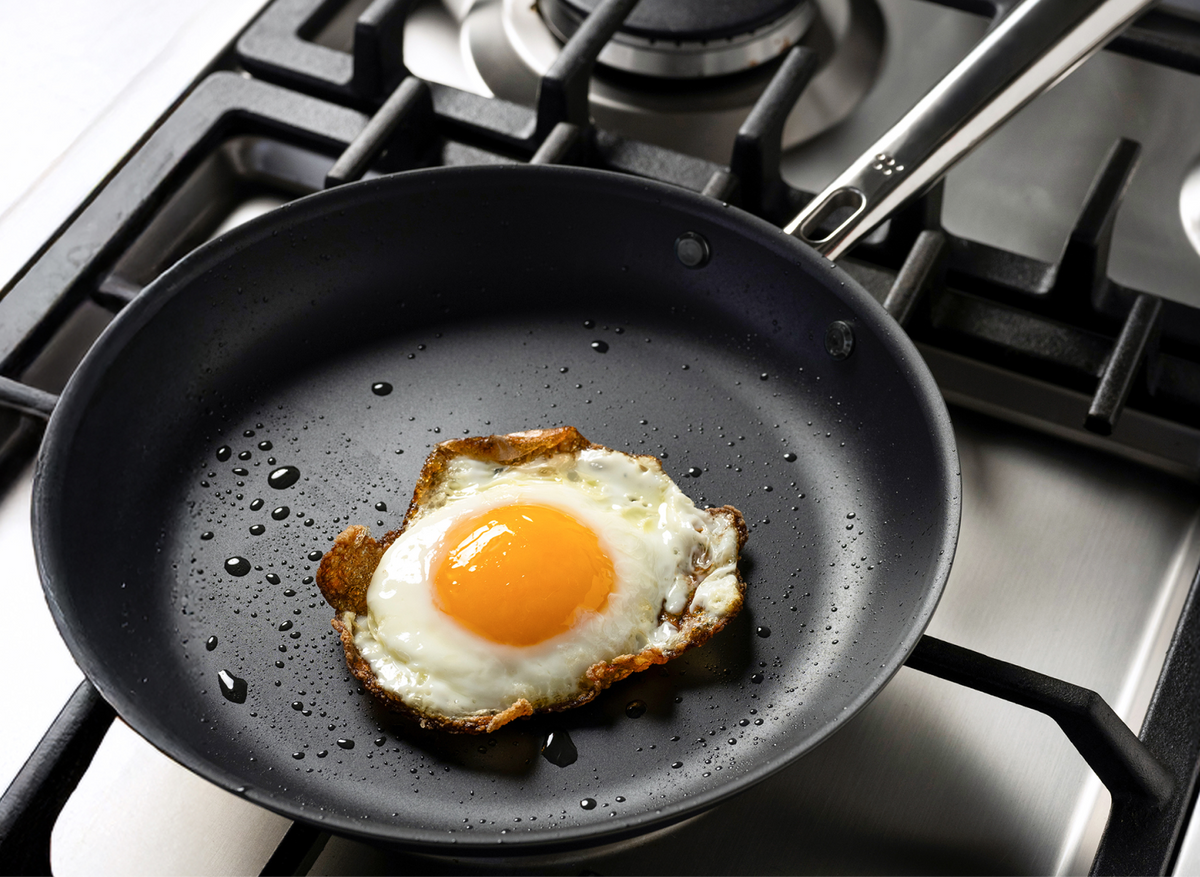
Proper preheating stands as the cornerstone of stainless steel cooking success. The pan must reach the ideal temperature where water droplets dance across the surface before adding oil, creating the foundation for food release. This crucial step prevents the common frustration of ingredients bonding to the metal surface. Oil temperature management follows immediately after preheating, requiring the cooking fat to shimmer and flow easily before food introduction. Temperature extends beyond the pan to include ingredient preparation.
Cold food plunged into hot metal creates thermal shock, causing proteins to seize and adhere to the surface. Bringing ingredients to room temperature ensures even cooking and prevents sticking. Patience during searing allows proper crust formation, where proteins naturally release from the pan when they've developed sufficient caramelization. The stuck bits that intimidate many cooks actually represent liquid gold for sauce creation. These caramelized remnants, known as fond, carry concentrated flavors that form the base of exceptional pan sauces.
Stainless steel's non-reactive nature makes it perfect for acidic preparations like wine reductions and tomato-based dishes, unlike other materials that can impart metallic flavors or degrade under acidic conditions. Understanding construction materials enhances cooking performance significantly. Quality stainless steel cookware combines the durability and non-reactive properties of steel with aluminum's superior heat conduction. This combination creates even heating across cooking surfaces, eliminating hot spots that cause uneven cooking and burning.
Summary
Mastering stainless steel cookware transforms cooking from guesswork into predictable, professional-quality results. The techniques require initial attention but quickly become second nature, rewarding cooks with superior searing capabilities, versatile sauce-making opportunities, and equipment that lasts decades.
Success depends on respecting the material's requirements while understanding its unique advantages. The investment in learning proper stainless steel techniques pays dividends through improved cooking results, expanded culinary possibilities, and reduced frustration in the kitchen.
These fundamental skills transfer across all stainless steel pieces, from skillets to sauciers, creating consistency in cooking performance. With practice, stainless steel becomes not just manageable but preferable for achieving the golden-brown crusts and complex flavors that define exceptional cooking.
Key Takeaways
- Preheat until water droplets dance across the pan before adding oil to prevent sticking.
- Bring ingredients to room temperature to avoid thermal shock and sticking.
- Let food sear undisturbed; proteins naturally release when properly caramelized.
- Use the browned fond left in the pan as a flavorful base for pan sauces.
- Quality stainless pans bond steel's durability with aluminum cores for even heat.
- Stainless steel is non-reactive, ideal for acidic dishes like tomato or wine sauces.