Skillet Skeptic? How Carbon Steel Delivers Non-Toxic Performance
About Misen
We make kitchen tools that work better, last longer, and cost less than you’d expect: everyday innovations with a radical focus on our customers’ actual need.
Summary
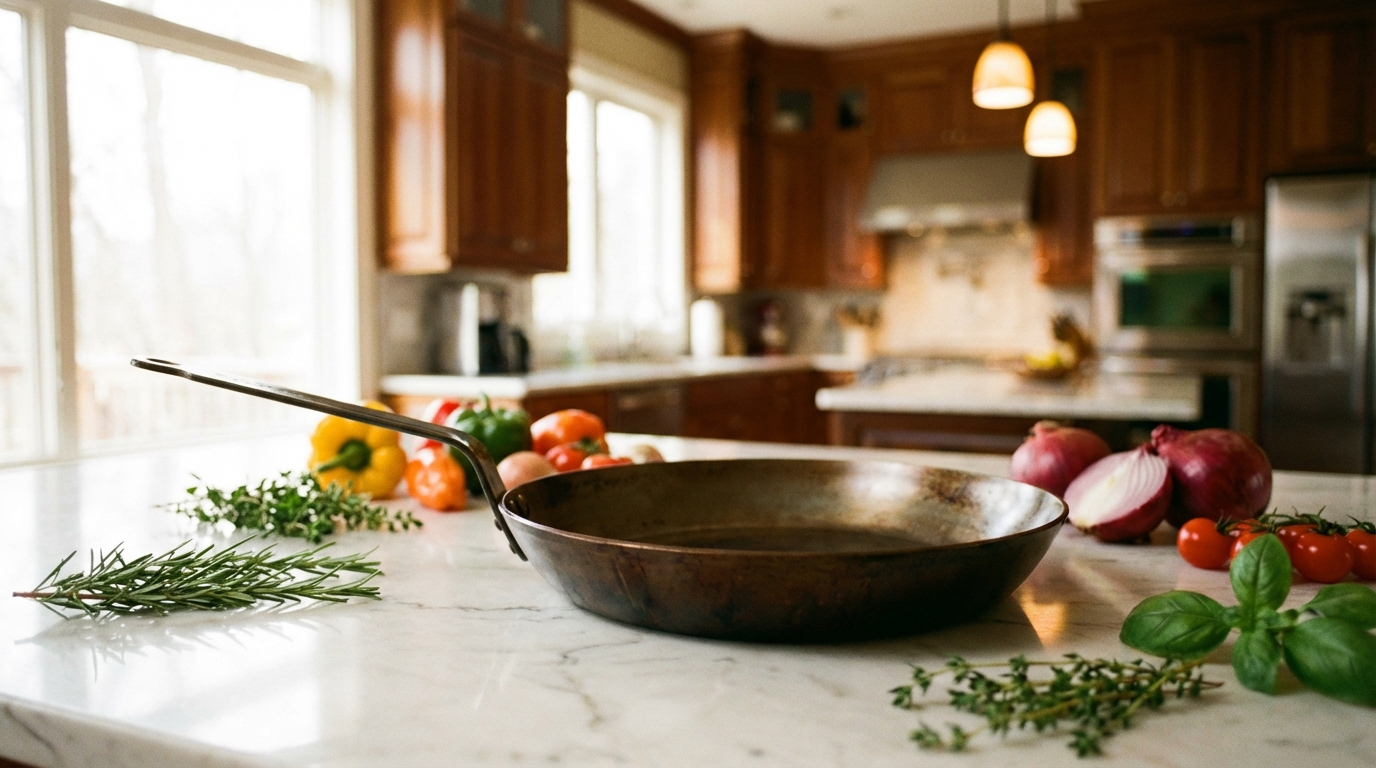
If you've been eyeing your scratched non-stick pan with suspicion, the article positions carbon steel as the non-toxic, high-performance hero you didn't know you needed: a single skillet that sears like cast-iron, slides an omelet like Teflon, and seasons itself into a naturally slick, forever-chemical-free surface. Readers learn why carbon steel is the chef's backstage secret--lighter than cast-iron, induction-friendly, and tough enough to bounce from stovetop to 900 degreesF oven without warping--while also discovering the science behind its safe, iron-based seasoning that only gets better with age. The piece walks through everyday cooking wins (perfect steak crust, crisp-edge cornbread, delicate crepes), then demystifies the simple care ritual--hot-water rinse, quick heat-dry, whisper-thin oil wipe--that prevents rust and keeps the skillet non-stick for decades. Budget-minded shoppers are shown how to spot restaurant-grade bargains (thicker 2 mm walls, welded French-style handle, under-$60 price tags) and avoid flashy knock-offs, ensuring they invest once and cook for life. By the final sentence you'll understand not just how to buy, use, and maintain carbon steel, but why swapping out toxic synthetic coatings for this one hardworking, endlessly renewable pan is the easiest, most delicious step toward a safer, greener kitchen.
Why Choose a Non‑Toxic Carbon Steel Skillet?
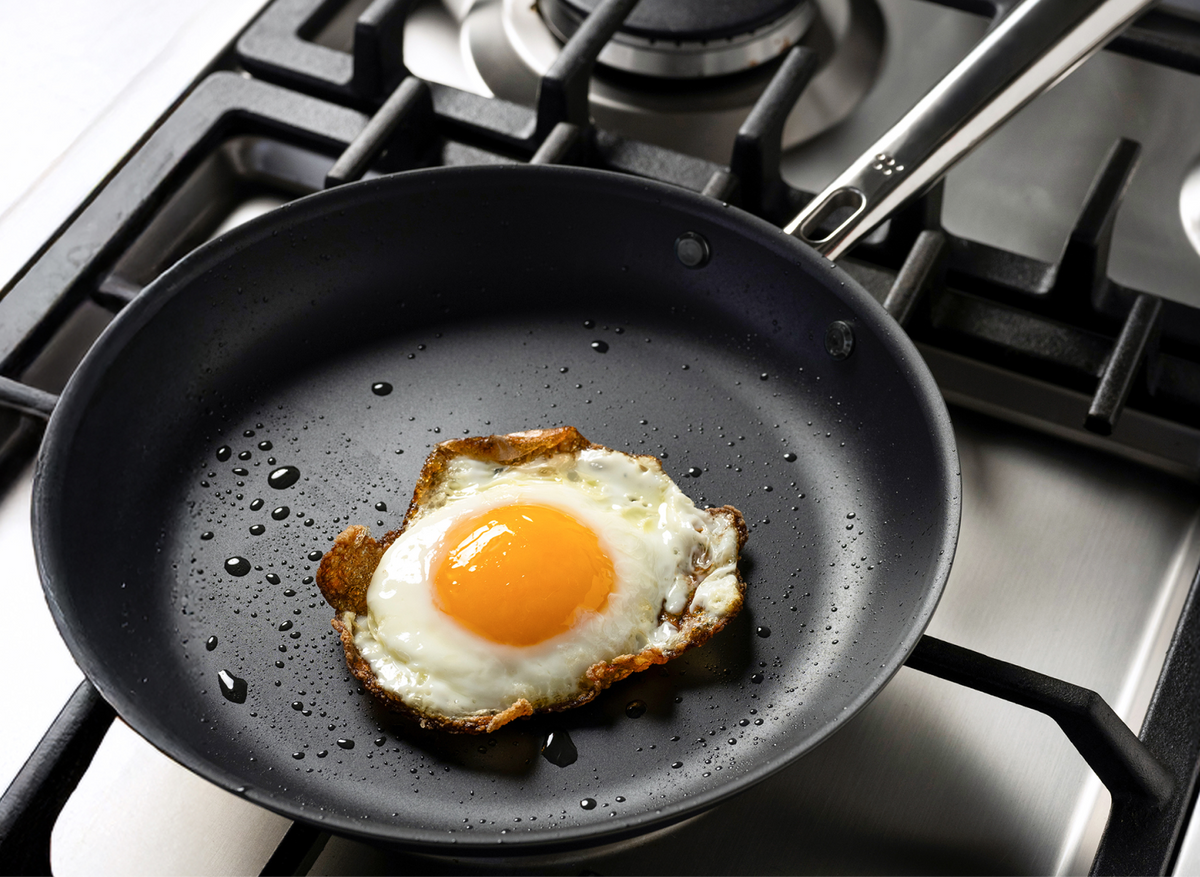
Ditch the synthetics--season a carbon steel skillet once and you'll sear, sauté, and even bake on a naturally non-toxic surface that only gets better with age.
Performance Meets Durability: Real‑World Cooking Advantages
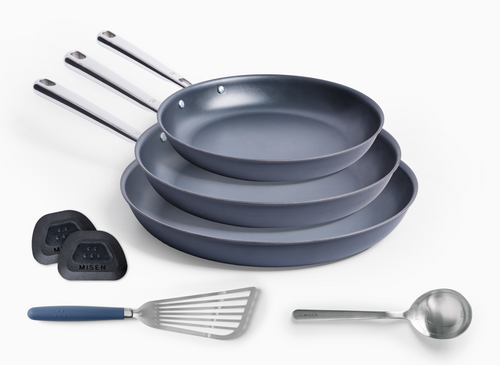
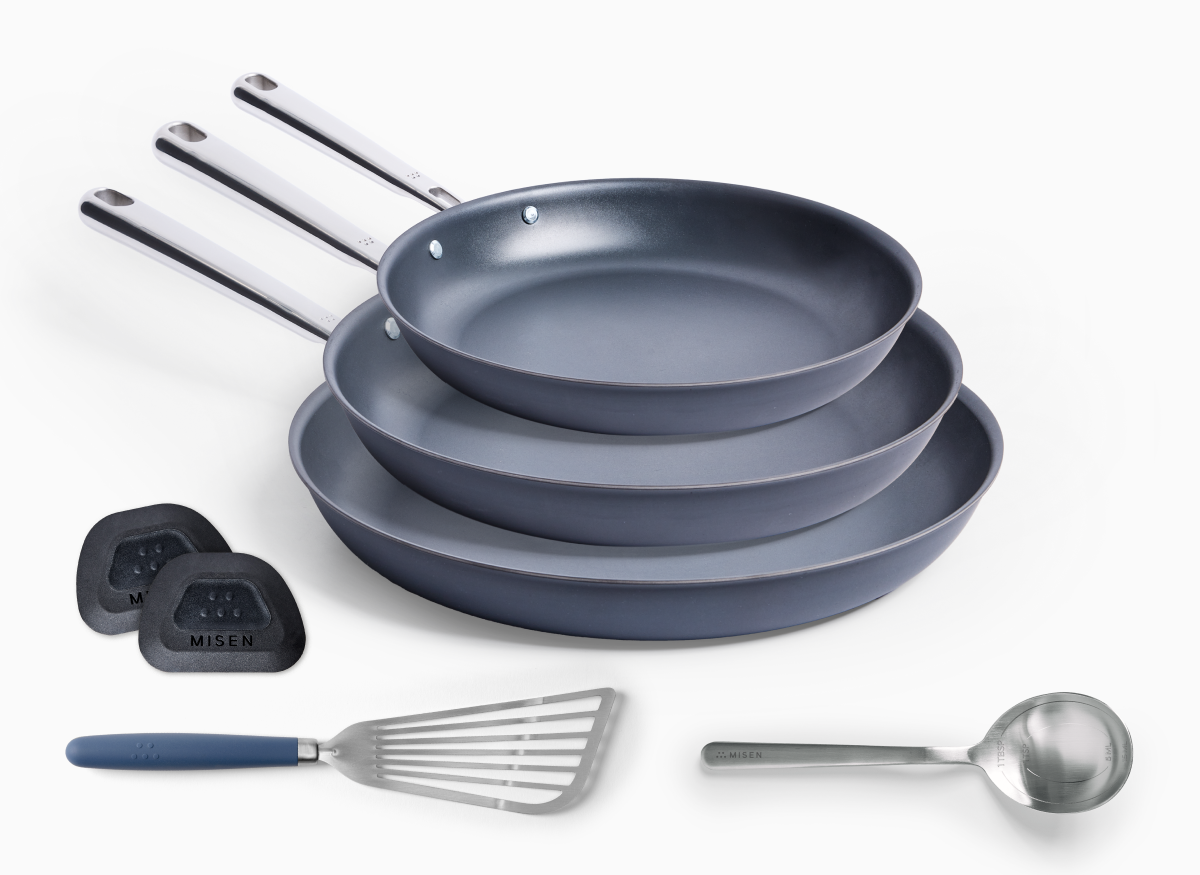
With thicker 3 mm stainless steel walls, stay-cool hollow-cast handles, and a lifetime warranty, these pans sear like cast iron, clean like non-stick, and survive 600 degreesF ovens, 24-hour brines, and metal utensils without warping or degrading.
Caring for Your Skillet to Keep It Safe and Long‑Lasting
Dry your skillet completely after every wash, then wipe on a whisper-thin coat of oil to stop rust before it starts and keep the surface slick for decades of cooking.
Smart Buying: Getting Quality Without Breaking the Bank
Score premium finds for pennies by mastering thrift-store timing, decoding clearance codes, and refusing to pay sticker price--ever.
Key Takeaways
- Carbon steel skillets are non-toxic and free from synthetic coatings
- Develops natural non-stick surface through seasoning over time
- Heats faster and more evenly than cast iron while being lighter
- Requires hand-washing and immediate drying to prevent rust
- Improves with use as seasoning builds better cooking surface
- More affordable than premium stainless or ceramic pans