Skip the Wobble: Cookware That Sits Flush on Glass
About Misen
We make kitchen tools that work better, last longer, and cost less than you’d expect: everyday innovations with a radical focus on our customers’ actual need.
Table of Contents
Summary
Glass and ceramic cooktops demand perfectly flat-bottomed pans because any warp becomes a pivot that makes cookware rock, slide, and heat unevenly, so this article arms you with the science and shopping rules to banish the wobble for good: it explains why concave cold pans, uneven burners, and thin metals deform under heat, shows how multi-ply stainless or enameled cast iron stay within the critical half-millimeter flatness window, and details weight, balance, and burner-size matching that maximize contact without cracking the glass. You'll learn to lift--not drag--pans, start heat low, clean both cooktop and pan bottoms after every use, and replace warped pieces before they waste 40 % of your energy and scorch your expensive surface.
Understanding the wobble: why cookware tips on glass tops
Because glass cooktops demand perfect flat contact, a pan's slight cold concavity can turn into a permanent rock-and-slide wobble when uneven heating makes the base expand into a warped pivot point.
How surface contact affects stability
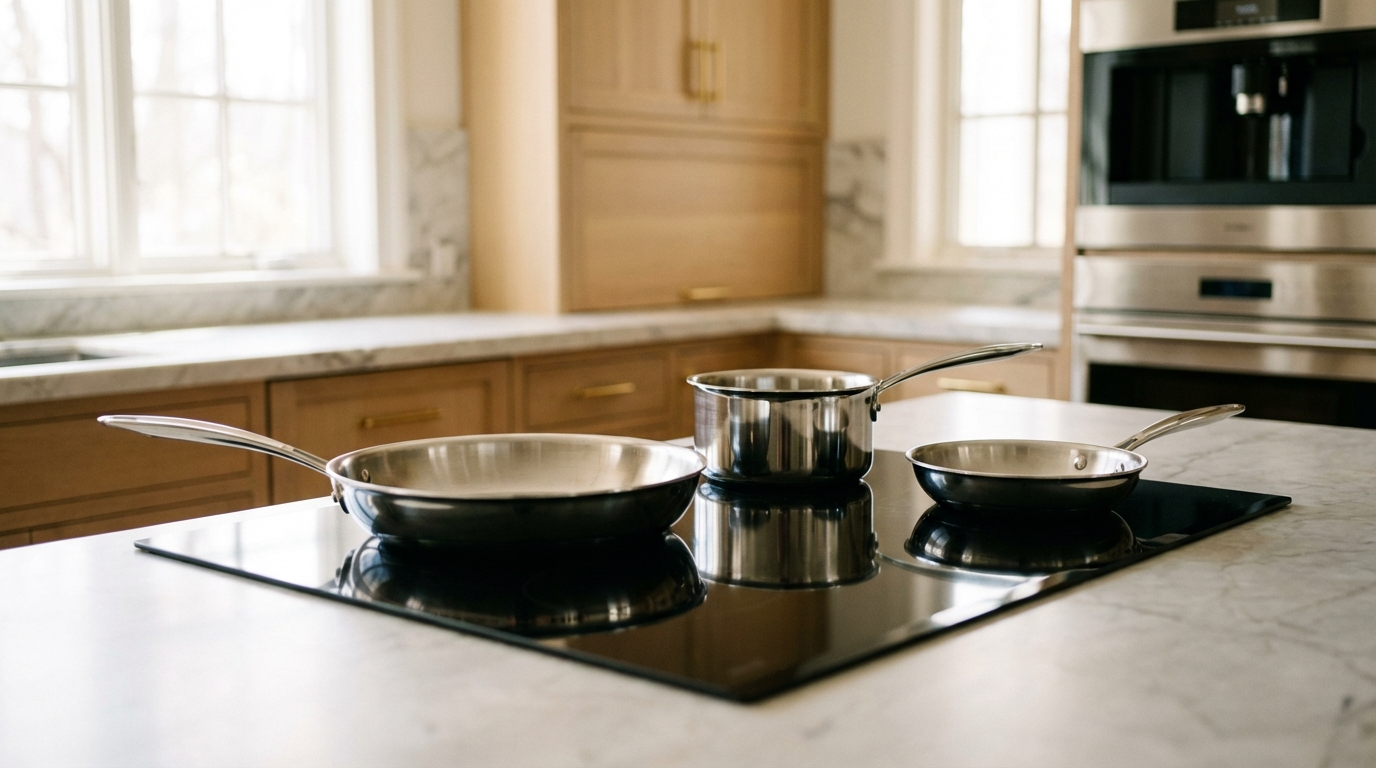
Glass and ceramic cooktops are unforgiving precisely because they're flat. On gas grates or coil burners, a pan rests on raised contact points that can mask minor base irregularities. On glass, the entire pan bottom must meet the surface simultaneously -- any high spot becomes a pivot point, and the pan rocks on it.
The smooth surface also provides less friction than grates, so a slightly warped pan doesn't just wobble; it can slide mid-cook. [1]What complicates this further is that most cookware bases are intentionally made slightly concave when cold. This design anticipates heat expansion: as the metal warms, the base gradually flattens toward the glass surface.
[2] The problem arises when heating is uneven -- a large pan on a small burner, for example, heats at the center while the outer edges stay cooler. Different parts of the base expand at different rates, creating internal stress that can permanently deform the metal. That deformation turns a minor cold wobble into a persistent one that no amount of repositioning will fix.
Key design features that keep pans flush
Three structural features determine whether a pan stays flush on glass: base smoothness, material thickness, and construction method. Pots and pans must have completely smooth bottoms to prevent scratching the glass surface and maintain full contact with the heating element. Raw cast iron is the most common offender -- its less refined surface creates both scratch risk and uneven contact points. Enameled cast iron solves this by adding a smooth outer coat, making it the safer choice if you want cast iron on a glass top.
[4]Multi-ply construction is the most reliable engineering approach to keeping a base flat under repeated heat cycles. A 3-ply pan bonds an aluminum core between stainless steel layers for quick, conductive heating; a 5-ply pan adds more aluminum surrounded by steel, producing a base that resists the differential expansion that causes warping. Beyond ply count, base thickness matters on its own terms -- thicker materials distribute heat more evenly, reducing hot spots and the internal stress they create. [5] Both factors work toward the same result: a pan that heats uniformly expands uniformly, staying flat rather than doming or cupping.
Weight adds a stabilizing effect, but only up to a point. A pan with some heft presses more consistently against the glass, closing the minor gaps that become pivot points. But cookware that's too heavy -- a large cast iron dutch oven, for example -- poses a real cracking risk to the glass surface. [5] The practical target is cookware substantial enough to sit without rocking, light enough that you're lifting it on and off the burner rather than dragging it across the surface.
Choosing the best cookware for glass top stove
Grab a ruler before you buy: only stainless steel or enameled cast iron that stays flat within half a millimeter and weighs 2-4 lb will keep your glass cooktop scratch-free and 40 % more efficient.
Material choices that stay level
When you're shopping for glass-top cookware, stainless steel and enameled cast iron rise to the top -- both materials naturally sit flat, resist warping, and won't damage your cooktop with normal use. Stainless steel works on any glass cooktop type (radiant electric or induction), and the multi-layer versions perform especially well. [6] That sandwich construction -- like our stainless steel pan with its aluminum core -- handles temperature changes without the warping that plagues single-layer pans.
Raw cast iron works, but with caveats: the rougher surface can scratch glass, and many vintage pieces have raised rings on the base that create pressure points. [6] If you love cast iron's heat retention, enameled versions give you the benefits without the risks. The materials to approach with caution? Thin aluminum and basic non-stick pans with single-layer bases warp under heat -- once that happens, they'll rock on your cooktop indefinitely.
[6] Carbon steel can present similar challenges unless it's thick enough and properly maintained. [6] The key is choosing cookware built to stay flat through years of heating cycles, not just on day one.
Flat-bottom construction and weight distribution
Here's a sobering fact: even 1-2mm of warping can slash your heating efficiency by 40%. [7] That's why the straightedge test matters -- before buying any pan, lay a ruler across the base and check for light gaps underneath. Well-made cookware maintains flatness within half a millimeter across the entire base. [7] The sweet spot for weight?
Between 2-4 pounds gives you enough heft to maintain solid contact without risking your glass surface. Lighter pans tend to warp; heavier ones (over 6 pounds empty) become a cracking hazard if you ever set them down too quickly. [7] Balance matters just as much as weight. A pan that's handle-heavy will tip more easily on glass than on gas grates -- test this by picking up the pan by its handle and noting if it wants to tilt.
[7] And don't forget burner size: matching your pan diameter to your heating element prevents those frustrating cold spots at the edges where food barely cooks while the center burns. [8] These details might seem minor, but they're the difference between cookware that performs consistently and pieces that frustrate you every time you cook.
Practical tips for everyday use and maintenance
Treat your glass cooktop like fine china: lift--never drag--your pans, start every pan clean and dry, ramp the heat slowly, move it off the glass the instant you're done, and wipe both pan bottom and surface before anything gets a chance to bake on.
Proper placement and heat management
How you set a pan down matters as much as which pan you choose. Always lift cookware onto the surface rather than sliding it -- dragging even a smooth-bottomed pan across glass risks scratching both the cooktop and the pan's base, and any residue on the bottom will carbonize into stains that are difficult to remove later.
[9] Before placing any pan on the burner, check that the bottom is clean and completely dry; leftover food debris left between the pan and the glass will burn onto the surface during cooking. [10] Heat management follows a similar logic: cast iron and other heavy materials respond poorly to sudden temperature jumps, so start on low and increase gradually to let the base expand evenly -- rushing this step can cause thermal shock, which risks cracking the cooktop surface.
[11] A heat diffuser placed between pan and burner is worth considering if you're working with cookware that runs hot or uneven, since it spreads heat across the base more consistently than the element alone can. [11] When you're done cooking, remove the pan promptly rather than leaving it to sit -- residual heat from heavy cookware continues conducting into the glass surface long after the burner is off, and extended contact at that temperature can leave scorch marks.
Caring for cookware to extend life
The same discipline that protects your cooktop also extends the life of your pans. Cleaning cookware bottoms regularly is the most overlooked maintenance step -- grease that builds up on a pan's exterior gets cooked into the glass surface repeatedly until it carbonizes into a stain that requires real effort to remove. [12] For the cooktop itself, the timing of cleaning matters: let the surface cool for at least 30 minutes before wiping it down, since cleaning products applied to a hot surface streak and can cause thermal shock.
[13] Sugar spills are a special case -- they bond to glass as they cool and can permanently mar the surface, so they need immediate attention while still warm but not actively burning. [12] For routine buildup, a microfiber cloth with warm water handles most residue without risk; for baked-on food, a razor blade scraper held at a 45-degree angle and moved in one direction (not back and forth) lifts material cleanly without scratching. [13] Abrasive pads, steel wool, and harsh powder cleansers are the primary ways people permanently damage their cooktops -- once the surface is scratched, it can't be buffed out.
[12] Inspect your cookware periodically for warping, and replace pieces whose bases have deformed: a pan that no longer sits flat will never heat evenly again, and continued use on glass accelerates surface wear for both the pan and the cooktop beneath it.
Real-world kitchen intel: From steaming broccoli to slicing bread
Your pan is warped the moment scrambled eggs brown only in the center while the edges stay runny--so always match pan size to burner and heat gradually to keep the base flat and your cooking steady.
Everyday recipes that test stability
Some cooking tasks expose pan wobble faster than others. High-heat searing demands full contact between pan and glass for an even crust -- yet it's the task most likely to cause warping. When steaming vegetables or boiling water in pots wider than the burner, the same uneven heating occurs.
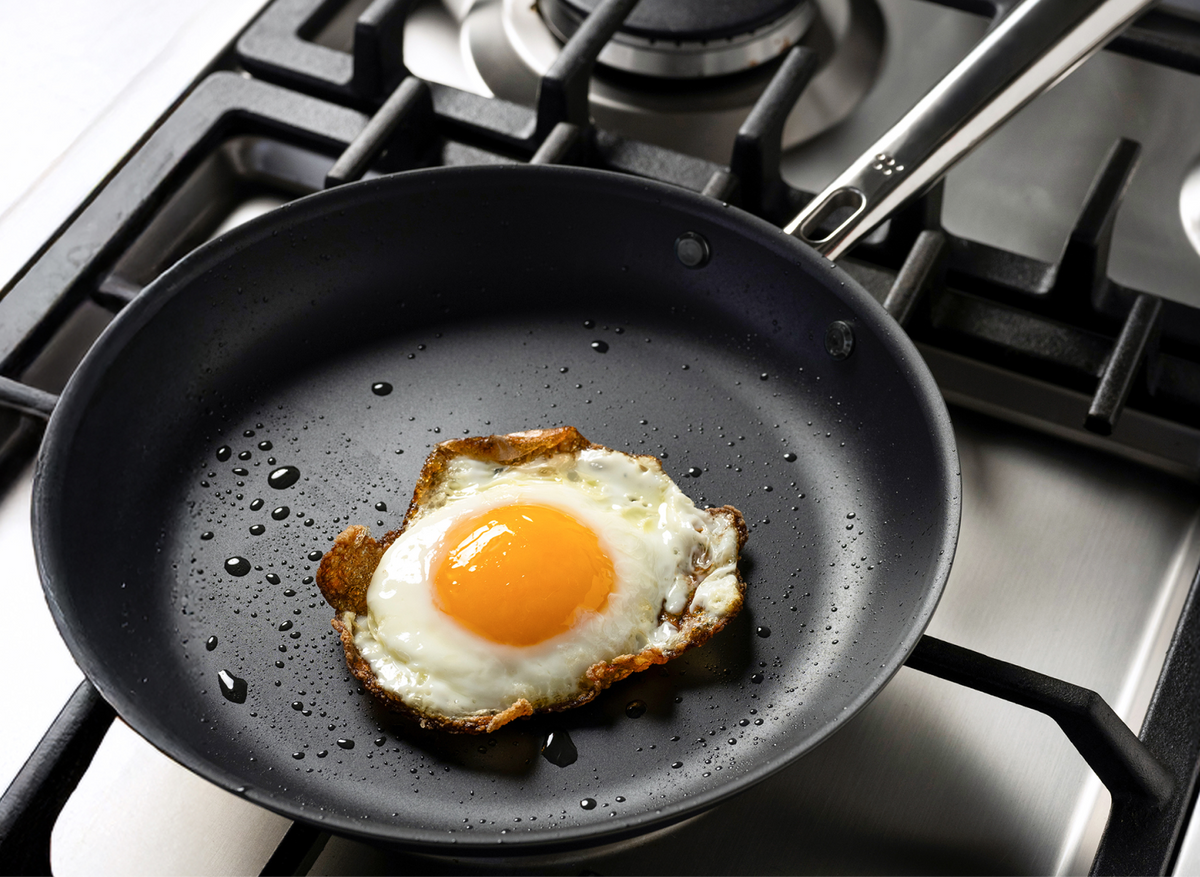
[14] Here's what happens in practice: Scrambled eggs tell the truth about your pan's flatness. If the center browns while edges stay liquid, you've got a warped base creating a central hot spot. Pancakes show the same pattern -- golden in the middle, pale at the edges.
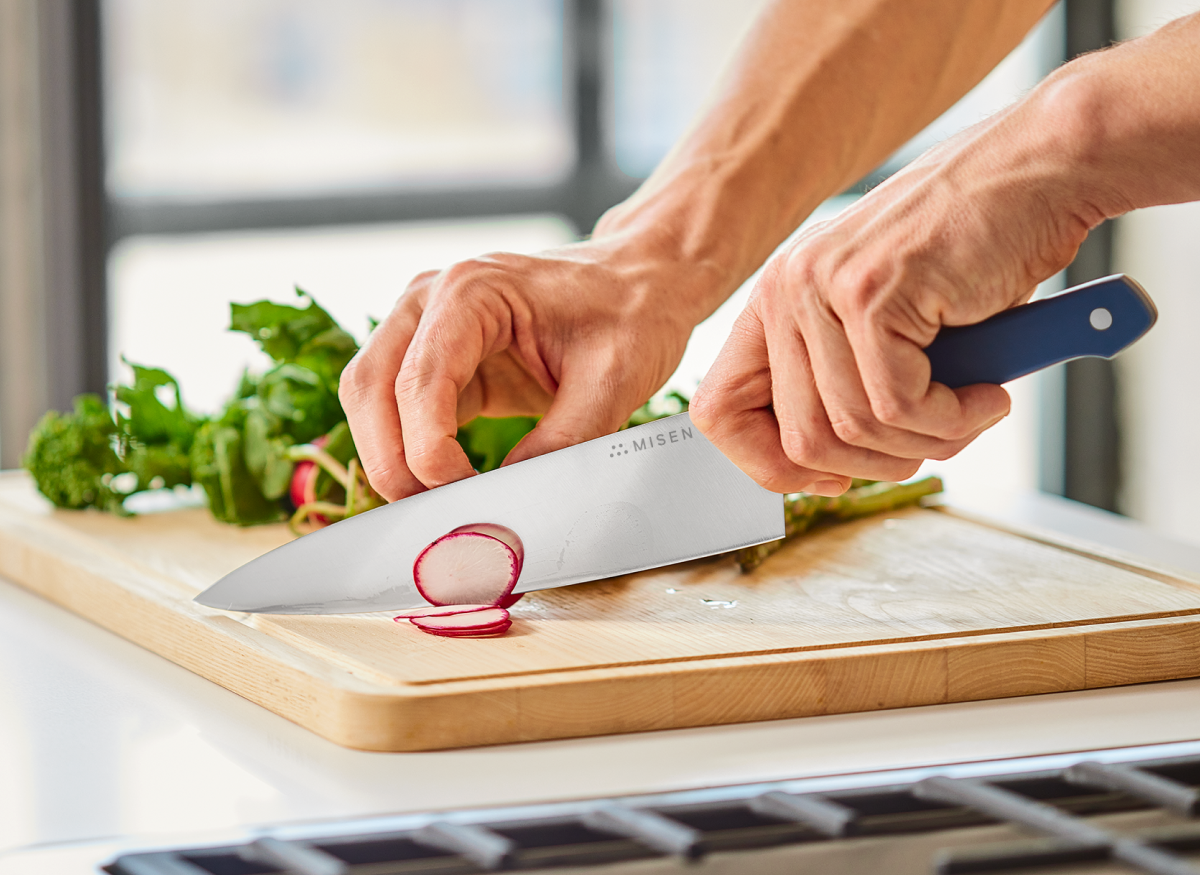
Even tasks like slicing bread on a cutting board near the stove become awkward when your cookware rocks and shifts, creating an unstable cooking environment. The fix stays consistent across all these scenarios: match pan size to burner size, and build heat gradually. This gives the entire base time to expand evenly, as covered in our heat management section above.
Longevity stories and cost-effective benefits
The math on quality cookware makes the decision clear.
Key Takeaways
- Glass cooktops demand perfectly flat pan bases; any warp becomes a pivot that rocks or slides.
- Concave cold bases are intentional; uneven heating can lock in warps that no repositioning fixes.
- Multi-ply stainless or enameled cast iron resist warping; thin aluminum/non-stick pans often cup permanently.
- A straightedge test before buying--look for <0.5 mm gap--prevents 40% heat loss from slight warps.
- Lift, never drag, pans; debris or water between pan and glass carbonizes into stubborn stains or scratches.
- Match pan diameter to burner, start low, increase heat slowly to let the base expand evenly and stay flat.
- Over 6 lb empty pans risk cracking the glass; 2-4 lb gives stability without impact damage.
References
- https://www.kitchentoolsadvisor.com/what-makes-pans-rattle-or-rock-on-stoves/
- https://www.pfannenprofis.com/en/pages/boden-nicht-plan-hohlwoelbung?srsltid=AfmBOooNlhbjBAp5lD4LIv5Uu2au_kXSsrlGjKIlC58OYvGmThK5dfm5
- https://www.skottsberg.com/en/blogs/blog/how-to-avoid-a-warped-pan/
- https://www.thespruceeats.com/best-cookware-for-glass-stoves-4690491
- https://www.debuyer-usa.com/blogs/guides/say-goodbye-to-hot-spots-best-pots-and-pans-for-electric-stoves?srsltid=AfmBOopIXXD-_V4H9441HaU6IItimp1HrG3s3p9igx52-TI-wQZwogUC
- https://www.reddit.com/r/AskCulinary/comments/jyvyfq/cookware_to_use_on_glass_top_stove/
- https://bakewarepans.org/best-cookware-for-glass-top-stove/
- https://www.ciarraappliances.com/blogs/news/best-cookware-for-glass-top-stove
- https://www.whirlpool.com/blog/kitchen/can-you-put-cast-iron-on-glass-cooktop.html
- https://www.maytag.com/blog/kitchen/cast-iron-on-glass-top-stove.html
- https://www.southernliving.com/how-to-use-cast-iron-glass-cooktops-11857337?srsltid=AfmBOopV7QyKT4ElfBel8_HVyTFcaTkVvDscSIrYBYryB2k35cVP89eH
- https://www.thespruce.com/smoothtop-electric-cooktop-care-1908592
- https://beyondappliances.in/blogs/smart-efficient-cooking/7-pro-tips-for-pristine-glass-cooktop-care
- https://cooking.stackexchange.com/questions/13220/why-do-my-nonstick-fry-pans-bow-up-and-not-make-good-contact-with-my-flat-top
- https://www.reddit.com/r/Cooking/comments/8ang4q/does_anyone_with_a_glass_top_stove_have_any/