The Best Pans for Cooking? Carbon Non-Stick Versus The Others
About Misen
We make kitchen tools that work better, last longer, and cost less than you’d expect: everyday innovations with a radical focus on our customers’ actual need.
Table of Contents
Summary
The article argues that choosing the right pan is a daily game-changer: carbon steel delivers cast-iron searing power at half the weight, builds its own natural, ever-improving non-stick surface through seasoning, and responds instantly to heat changes, while stainless steel layered with aluminum or copper offers indestructible, flavor-neutral performance for acidic sauces and high-heat fond-driven pan sauces, and modern non-stick lets you cook delicate eggs and fish with minimal oil and near-zero cleanup. Readers learn how material affects nutrition (even heat preserves vitamins; cast iron can add dietary iron), how to match pans to tasks—non-stick for health-minded breakfasts, carbon steel for stir-fry “wok hei” and steak crusts, stainless for deglazing—and how to maintain each so a compact trio (10-12-inch non-stick, carbon steel or stainless skillet, plus one more strategic piece) outlasts and outperforms any dusty 15-piece set. With clear care routines—season carbon steel with oil and avoid soap and long acidic simmers, scrub stainless with Bar Keepers Friend, baby non-stick with silicone tools and moderate heat—the guide turns everyday cooking into faster, healthier, more enjoyable meals and promises pans that improve with age rather than end up in landfills.
Why Your Pan Choice Matters Every Day
The pan you grab each morning determines whether tonight’s dinner bursts with flavor and nutrients or ends up a stuck-on, vitamin-stripped disappointment.
How quality pans boost flavor, nutrition, and joy
The pan you reach for shapes your cooking in ways you might not realize. Beyond holding ingredients, your cookware actively influences flavor development, nutrient retention, and your overall kitchen experience. Quality materials work with you—stainless steel keeps flavors pure and unaltered, especially with acidic ingredients like tomatoes or citrus [3]. Meanwhile, well-seasoned surfaces (we'll explore these in detail later) can actually enhance the taste of what you're cooking. Your pan choice also affects the nutritional value of your meals.
Those cheap pans with uneven heating? They create hot spots that can destroy heat-sensitive vitamins and minerals [2]. Quality cookware distributes heat evenly, helping preserve nutrients while cooking food properly throughout. Some materials even add nutritional benefits—properly maintained cast iron can boost your dietary iron intake [1][2]. But here's what really matters: good pans make cooking more enjoyable.
When your cookware heats predictably and releases food cleanly, you spend less time fighting stuck-on messes and more time perfecting flavors. You'll find yourself experimenting more, trying new techniques, and actually looking forward to cooking. That's the real value of investing in quality—turning daily meal prep from a chore into something you genuinely enjoy.
Key factors to look for when searching for the best pans for cooking
Start with material and construction quality—these determine how your pan performs and how much maintenance it needs.
Each material brings different strengths to your kitchen.
Core Materials Explained: Carbon Non-Stick and the Classics
Carbon steel gives you cast-iron performance at half the weight, building its own forever-young non-stick surface every time you cook, while multi-ply stainless layers in aluminum or copper to deliver even heat with zero flavor interference.
Carbon Non-Stick: natural seasoning, heat response, and durability
Think of carbon steel as the best of both worlds—it combines 99% iron with 1% carbon to create cookware that gets better every time you use it [7]. Unlike traditional non-stick pans that lose their coating over time, carbon steel develops its own natural non-stick surface through seasoning. Each time you cook, oils bond to the surface, building up protective layers that actually improve with age [8]. You'll notice your pan changing colors—from blue-gray spots to a rich, dark patina—and that's exactly what you want [8]. What makes carbon steel special for everyday cooking?
It responds instantly to temperature changes. Turn up the heat and it heats quickly; lower the flame and it cools right down. This control lets you nail techniques like stir-frying vegetables or getting that perfect sear on proteins [9]. The even heat distribution means no more burnt spots or undercooked edges [7]. Plus, you get cast iron's heat retention benefits in a pan that's about half the weight—your wrists will thank you during those one-handed flips and tosses [7].
When it comes to durability, these pans are virtually indestructible. They handle extreme temperatures without blinking, moving seamlessly from stovetop to oven to grill [8]. The only thing to watch? Acidic foods like tomatoes or citrus can affect the seasoning if cooked for extended periods, potentially adding metallic notes to your dish [8][9]. For detailed maintenance tips, see our care section below.
Traditional materials: stainless steel, cast iron, and aluminum basics
Let's break down the classics you'll find in most kitchens. Stainless steel might not conduct heat well on its own—actually, it's the worst heat conductor among common cookware materials [10].
But here's where it gets smart: manufacturers layer aluminum or copper between steel sheets, creating multi-ply construction that gives you even heating with stainless steel's durability [10]. Yes, this technology costs more, but you're getting cookware that preserves pure food flavors and handles any cleaning method you throw at it [11].
Performance Meets Real‑World Cooking Needs
Crank your burner to high—carbon steel’s instant heat response gives you steakhouse crust and wok-hei without warping, while a non-stick pan alongside glides your eggs out oil-free and stainless waits to harvest those browned bits for a killer pan sauce.
High‑heat searing, browning, and stir‑fry with carbon steel
When you need serious heat for searing, browning, or stir-frying, carbon steel becomes your best friend in the kitchen. As we covered earlier, this material combines the best qualities of cast iron and stainless steel—but here's where it really shines in practice.
You can crank up the heat without worrying about damaging coatings or warping, making it perfect for getting that restaurant-quality crust on your steak or achieving wok hei in your stir-fry [13]. The real magic happens with temperature control.
When you're stir-frying and need to quickly adjust heat between ingredients, carbon steel responds instantly—unlike heavier materials that hold onto heat stubbornly [15]. This responsiveness prevents those frustrating moments where vegetables go from crisp to mushy in seconds [14].
Delicate foods, low‑fat cooking, and everyday ease with non‑stick and stainless options
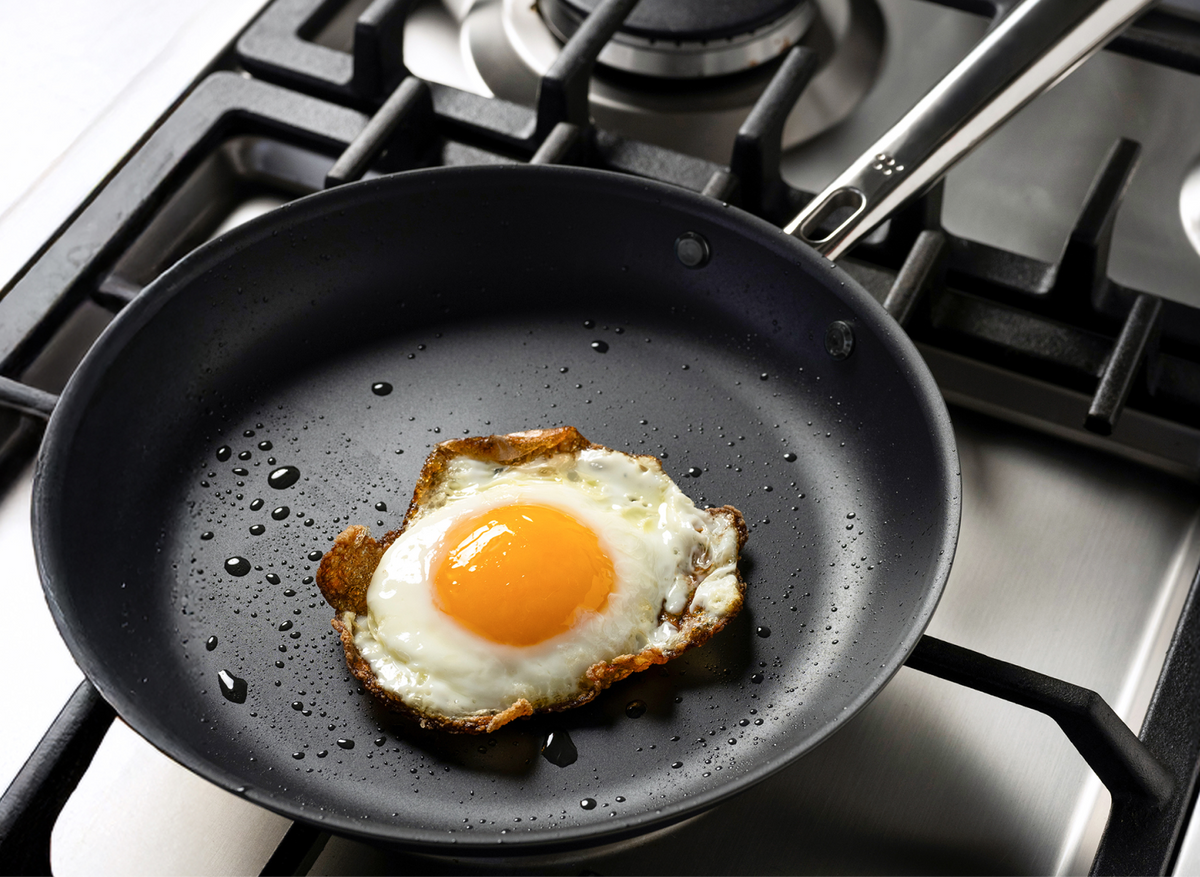
For delicate foods and everyday cooking, non-stick and stainless steel each bring unique strengths to your kitchen. Non-stick truly shines when you're making morning eggs or pan-searing fish—foods that would normally stick stubbornly to other surfaces release effortlessly, even with just a light spray of oil [16]. This makes non-stick your go-to for healthier cooking, letting you cut way back on butter and oil without sacrificing that perfect golden crust on your pancakes [17]. Plus, cleanup becomes almost laughably easy—a quick wipe with soapy water and you're done, no scrubbing required [16][18]. Stainless steel plays a different game entirely.
Yes, you'll need more oil to prevent sticking, but that's actually part of its charm. Those browned bits that stick to the bottom? That's pure flavor waiting to become your pan sauce [17]. And unlike other materials that react with acidic foods, stainless steel handles your tomato sauces and lemon reductions without breaking a sweat or affecting taste [18]. Here's what works for most home cooks: keep a reliable non-stick pan for your morning eggs and delicate fish, then reach for stainless steel when you want to build serious flavor through searing and deglazing.
If you're considering ceramic non-stick as a PFAS-free alternative, know that while it performs beautifully at first, its non-stick properties will gradually fade over time [18]. The smart move? Build your collection based on how you actually cook, not on matching sets that look pretty but gather dust.
Building a Sustainable, Long‑Lasting Pan Collection
Build a lifelong, three-pan kitchen arsenal—10-inch nonstick for delicate foods, carbon steel for high-heat searing, stainless for acid dishes—and maintain each with its simple ritual (hot-water rinse and oil wipe for carbon steel, Bar Keepers Friend for stainless) so they outlast every gadget you’ll ever buy.
Essential everyday pans that deliver value without waste
Let's talk about building a cookware collection that actually makes sense for your kitchen. Instead of buying a complete set where half the pieces gather dust, you'll get better results focusing on three or four pans that earn their space every day.
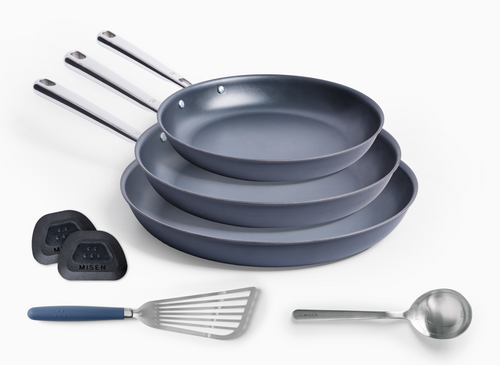
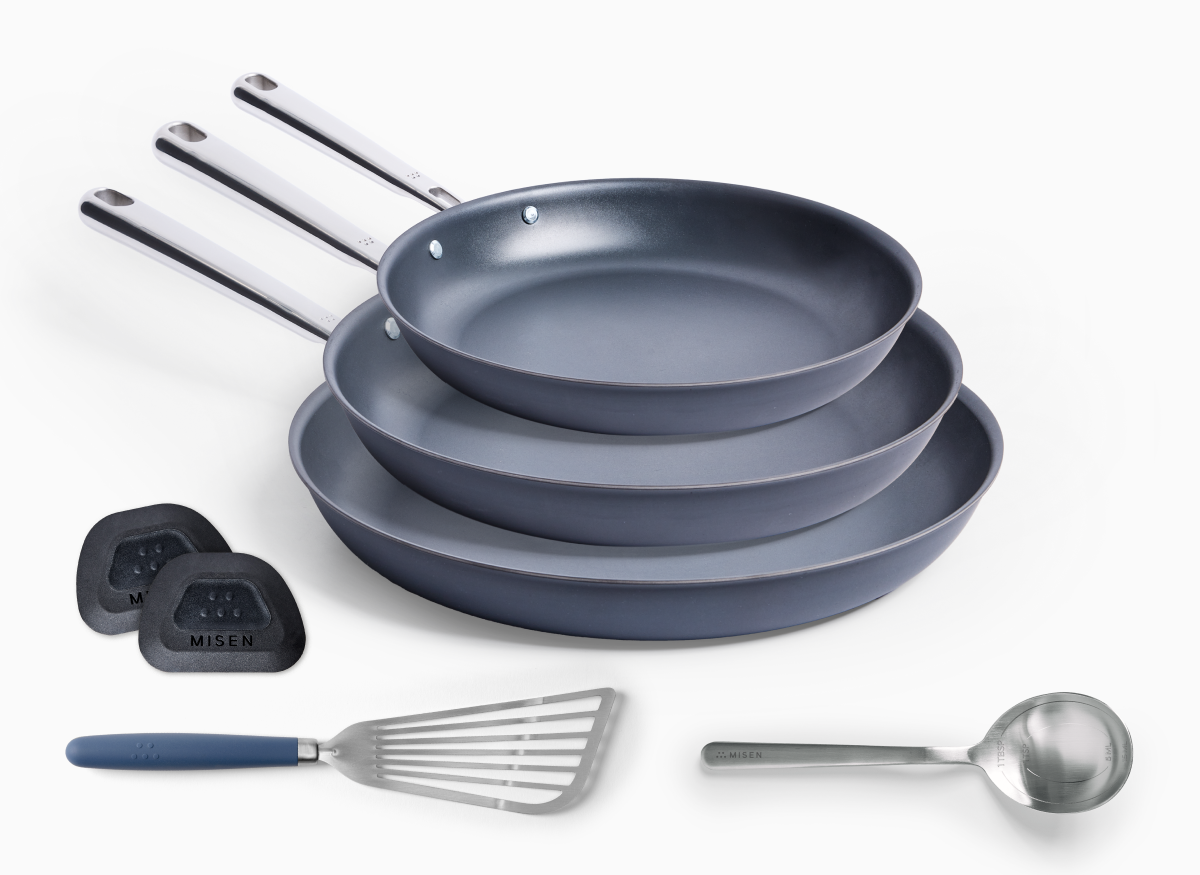
Start with a 10-12 inch nonstick skillet—it's your go-to for eggs, fish, and other delicate foods that need gentle handling. You'll use less oil too, which makes everyday cooking healthier without sacrificing results.
For everything that needs serious heat (think searing steaks or stir-frying vegetables), you'll want either a carbon steel or stainless steel pan. As we covered earlier, carbon steel gives you cast iron's heat retention at about half the weight—plus it develops that natural nonstick seasoning that gets better with use.
Care, maintenance, and smart upgrades for lasting performance
Here's the thing about pan maintenance—it's not complicated, but doing it right makes the difference between cookware that lasts decades and pans that disappoint after a year. Let's start with carbon steel, which needs the most attention but rewards you with incredible performance. The seasoning process we discussed in earlier sections creates that protective, naturally nonstick layer through polymerization [22]. Your daily routine is simple: after cooking, rinse with hot water and a soft brush, dry thoroughly, then apply a thin oil coating before storage [23]. Skip the soap—it's not necessary and can strip your hard-earned seasoning. When food starts sticking, it's time to re-season.
Heat a high smoke-point oil (grapeseed, avocado, or flaxseed work great) until it bonds with the metal surface [24]. For stovetop seasoning, here's your method: apply about a teaspoon of oil, wipe the pan until it looks nearly dry, heat until smoking, then wipe once more with the same paper towel [24]. Remember what we covered about acidic foods—save the tomato sauces and citrus marinades for your stainless steel pans [24]. Speaking of stainless steel, it needs different care entirely. Bar Keepers Friend tackles stubborn stains, and deglazing with water while the pan's still warm loosens stuck-on bits [22]. Those brown spots aren't damage—they're flavor waiting to become your next pan sauce.
For nonstick pans, gentle treatment extends their lifespan. Stick to silicone or wood utensils, avoid abrasive cleaners, and keep the heat moderate [22]. Small upgrades like silicone handle covers make any pan more versatile, protecting your hands during those stovetop-to-oven moves [22]. The key is matching your cleaning method to each pan's needs. What works for stainless steel will ruin nonstick coatings and strip carbon steel seasoning [23]. Get this right, and your carbon steel pans become better with age while your stainless steel stays reliable for decades [22].
Key Takeaways
- Carbon steel pans develop natural non-stick seasoning that improves with age and use
- Carbon steel heats and cools instantly, giving precise temperature control for searing and stir-fry
- Stainless steel layered with aluminum or copper delivers even heating and preserves pure flavors
- Non-stick pans reduce oil use and release delicate foods like eggs and fish effortlessly
- Carbon steel requires hand-washing, drying, and light oiling to maintain its seasoning
- Acidic foods like tomatoes can strip carbon steel seasoning and add metallic flavors
- Build a core set of 3–4 daily-use pans instead of buying unused full cookware sets
References
- https://www.dummies.com/article/home-auto-hobbies/food-drink/cooking-baking/food-prep-tools/how-cookware-affects-nutrients-in-your-food-and-your-health-202284/
- https://www.momdoesreviews.com/2025/01/04/how-your-pots-and-pans-affect-nutrition-a-guide-to-healthier-cooking/
- https://www.cookerking.cn/news/does-the-type-of-cookware-affect-food-taste-and-health/
- https://www.everythingkitchens.com/blog/guide-to-cookware-material-best-pots-pans-material-for-the-kitchen.html?srsltid=AfmBOooxtv3O3rm_DN6FewLWQQ8p6zN_5K6tlf_O-AHbEMtwYrPrEZEh
- https://www.seriouseats.com/gift-guide-essential-pots-and-pans-presents-for-home-cooks
- https://www.reddit.com/r/cookware/comments/1hoci6g/cookware_buying_and_explanation_guide/
- https://www.marquettecastings.com/blogs/blog-2/carbon-steel-vs-stainless-steel-pan
- https://hcookware.com/blogs/news/carbon-steel-most-common-questions-answered
- https://www.cupindy.com/blogs/info/cooking-pans-materials-guide?srsltid=AfmBOooAsGMsl8h6zoOPDnVD62p6SyFXo_Iakx-WpbGO0SD7H43ofRjg
- https://stargazercastiron.com/blogs/blog/pros-and-cons-of-different-types-of-cookware?srsltid=AfmBOoqKkj1pyescRdVwOqH7Blz6phKcfvGx2H3uQE8GwGACcpYKMGL7
- https://stahlkitchens.com/blogs/news/which-metals-are-best-for-cooking?srsltid=AfmBOopFT3loKX9UgFWZYYH1XofC2-UupmITvWKhFBaNlRU8cmfbEMZt
- https://ciarragadgets.com/blogs/news-1/aluminum-vs-stainless-steel-cookware?srsltid=AfmBOopqnbMo9EtwszJLisweTRIyUKnpn7QlSZIoOLEuunVxFEIYNUje
- https://blanccreatives.com/blogs/news/benefits-of-using-carbon-steel?srsltid=AfmBOor27XkeATeWqJxntC-F_l4Kaj92OE1VVej-MVeZ92ulXT14QWwh
- https://www.debuyer-usa.com/blogs/guides/carbon-steel-vs-aluminum-pan-choosing-the-best-cookware-for-your-kitchen?srsltid=AfmBOorULeL2JviJx0_FxWmTJUb-Mmk0Z0uLNBCcQEQ_UX0krqPz6nbZ
- https://santabarbaraforge.com/blogs/the-blacksmiths-journal/why-professional-chefs-love-carbon-steel-and-why-you-will-too?srsltid=AfmBOoqUnKuZefujUXesUBIARomxgNFWmwE1k19DsnvPJujLMHhbSsKx
- https://www.foodandwine.com/lifestyle/kitchen/best-nonstick-pans
- https://www.cupindy.com/blogs/info/cooking-pans-materials-guide?srsltid=AfmBOopFYwYg-_HPJx7MPJtzDFN2llvUwc9aub0gokTs8udL5SRF6Ghr
- https://www.bonappetit.com/story/best-nonstick-pans?srsltid=AfmBOoqRpxD0B7W7dpEzt8O_kzXPjBdnWmP-_5lPGEwy28rjib_bKeI9
- https://www.nytimes.com/wirecutter/reviews/best-nonstick-pan/
- https://www.organicauthority.com/organic-food-recipes/non-toxic-cookware-brands-to-keep-chemicals-out-of-your-food
- https://www.foodnetwork.com/how-to/packages/shopping/product-reviews/best-nonstick-cookware-sets-and-pans
- https://www.debuyer-usa.com/blogs/how-to/boost-longevity-how-to-care-for-carbon-steel-pans?srsltid=AfmBOooj-Gnsyk_uf2NhYdgGUu8MJSE_BkBaj9_2X7NvidFxfOpQbWCR
- https://santabarbaraforge.com/blogs/the-blacksmiths-journal/how-to-season-care-for-a-carbon-steel-pan?srsltid=AfmBOor07ulDkDArY-Ymd4-emiDPb7CJJDoV6CYQh86UoEb1f6tEo8Uf
- https://blanccreatives.com/pages/carbon-steel-care?srsltid=AfmBOorFyPpvO4ipzTX9CiQWl7y-ZqGm9irUM5CyYcpNoBKrJeW0SFZ7