Flat-Bottomed Pans That Glide on Glass Without Scratching
About Misen
We make kitchen tools that work better, last longer, and cost less than you’d expect: everyday innovations with a radical focus on our customers’ actual need.
Table of Contents
Summary
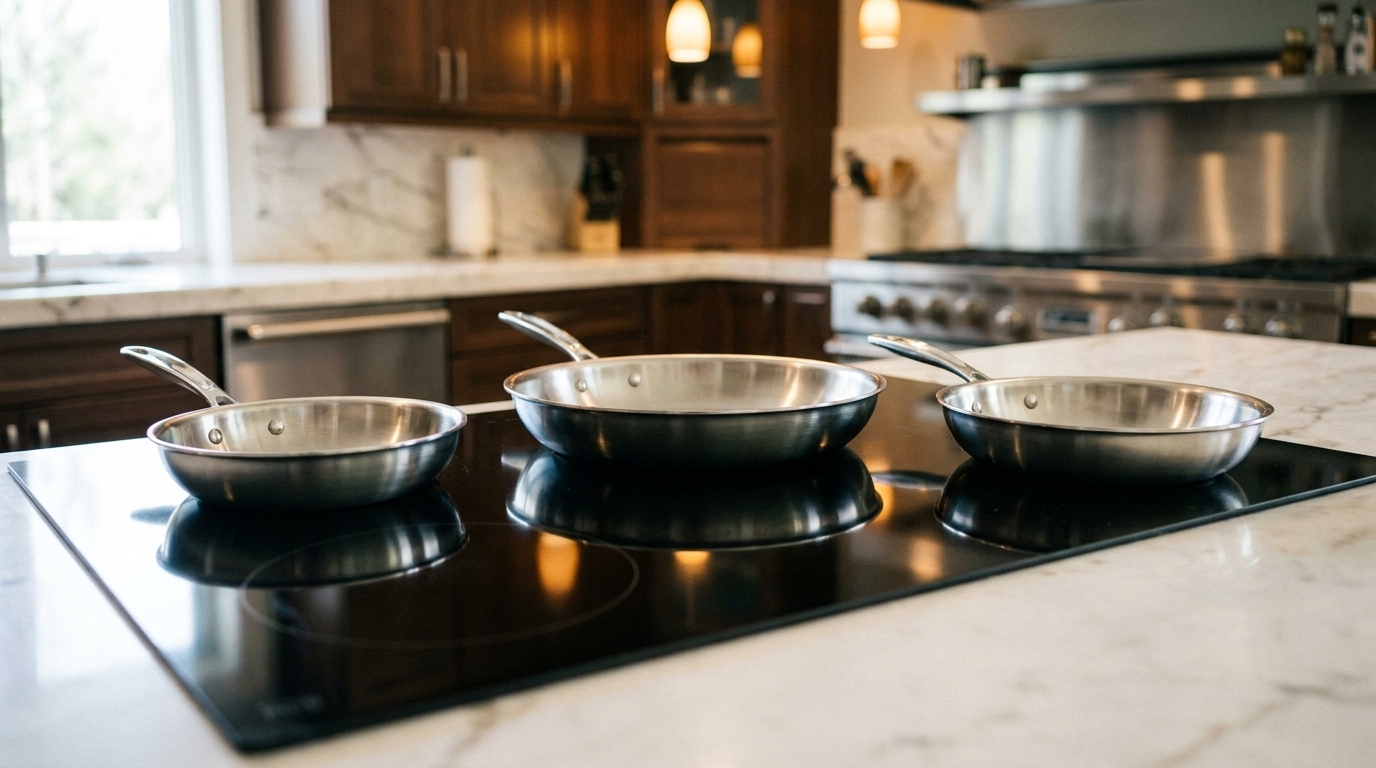
Choose flat-bottomed stainless or hard-anodized pans to cook confidently on glass tops without scratching or hot spots. Their even contact keeps the surface safe, heat steady, and your cooktop looking new for years.
Understanding Glass‑Top Stove Needs
Treat your glass-top stove like precision glassware: pair it with perfectly flat pans, avoid thermal shocks, and keep the surface flawless to prevent hairline cracks that turn into expensive replacements.
How heat and pressure affect glass surfaces
Glass cooktops transfer heat two ways -- heating elements emit infrared radiation through the glass, and the glass surface itself conducts heat through direct pan contact.[1] Unlike gas burners, this dual mechanism means the glass absorbs thermal stress during every cook, and uneven pressure from warped or rounded pan bottoms concentrates that stress into specific spots.[2] Thermal shock adds another layer of risk: a hot pan placed on a cool surface, or cold liquid hitting a hot area, can cause the glass to crack or shatter.[3] Even minor scratches break down the smooth surface structure that even heat distribution depends on, creating hot spots that compound over time.[1]
Core Features of Scratch‑Free Flat‑Bottom Pans
Choose stainless steel, hard-anodized aluminum, or ceramic-coated aluminum with a perfectly flat, precision-machined base that matches your burner size to keep your glass cooktop flawless.
Material finishes that glide smoothly on glass
Stainless steel, hard-anodized aluminum, and ceramic-coated aluminum all form smooth bases that contact glass without abrasion -- these are the finishes that consistently protect your cooktop during everyday use.[5] Stainless steel stays flat under high heat and won't deposit metallic residue on the glass, a quality explored further in our stainless steel vs ceramic cookware comparison.[5] Hard-anodized aluminum is lightweight yet perfectly flat, so it maintains even burner contact without concentrating pressure in one spot.[5] Raw cast iron is the clear problem: its rough, porous texture drags across glass and leaves permanent marks, while unglazed ceramic and stoneware behave the same way.[5] Enameled cast iron works if the enamel base is fully smooth and chip-free -- anything less poses the same scratch risk as bare cast iron.[5]
Weight distribution and design that protect your stove
Even weight distribution across a pan's base matters as much as the material itself when it comes to protecting your glass cooktop. When a pan's weight concentrates on warped or raised areas rather than spreading evenly, those contact points act like pressure anchors that grind microscopic scratches into the surface with every use.[7] Pans with precision-machined flat bases spread load uniformly across the entire burner zone, keeping contact smooth and reducing localized stress on the glass.[7] Pan size relative to the burner is also worth checking: cookware that significantly overhangs the heating element creates uneven weight distribution and puts disproportionate pressure on the outer edge of the glass surface.[7]
Real‑World Performance with Misen Pans
Keep your Misen pan perfectly flat and impeccably clean--no rocking, no residue--so eggs glide without oil and broccoli steams green in the precise low-heat zone your glass cooktop demands.
Everyday cooking tests: from steaming broccoli to sautéing eggs
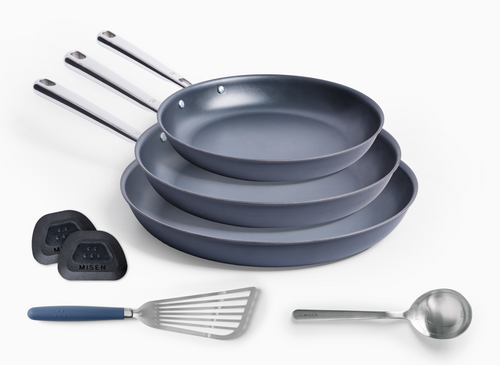
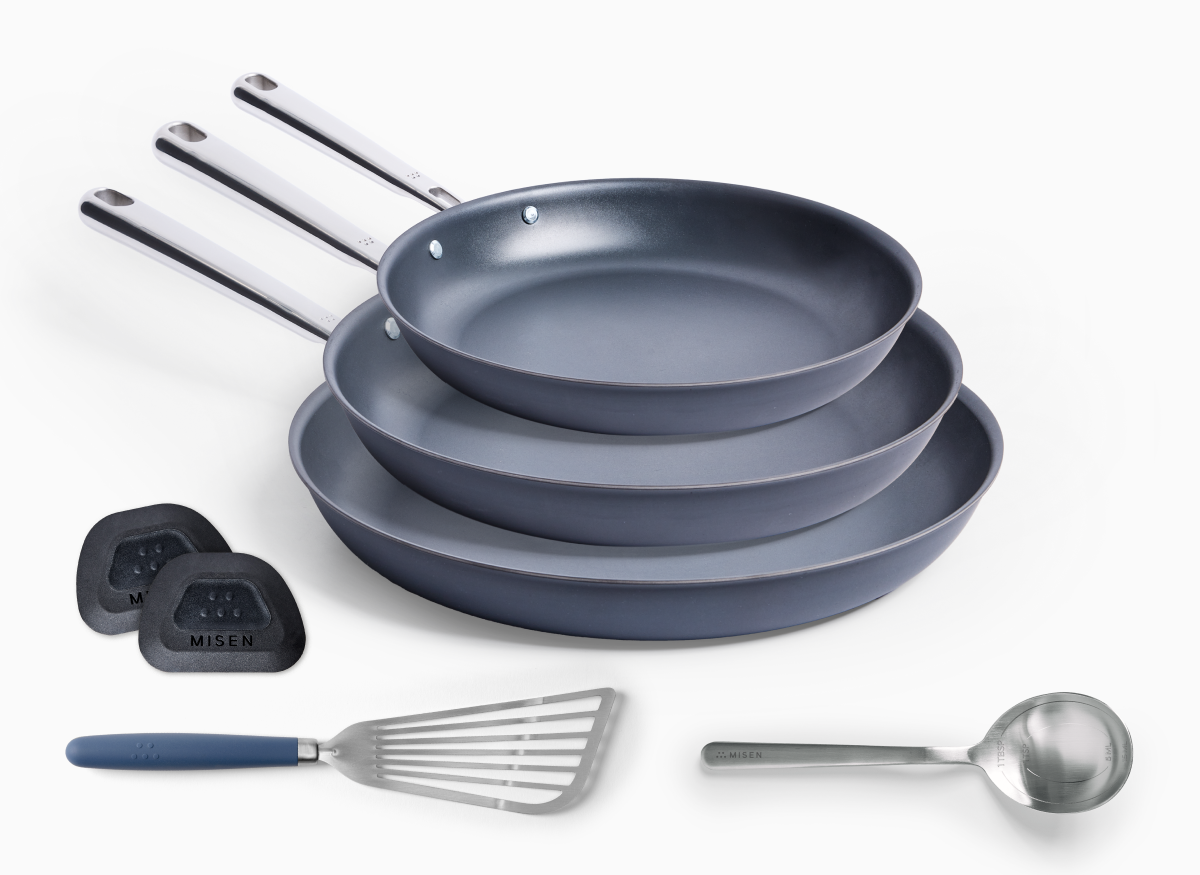
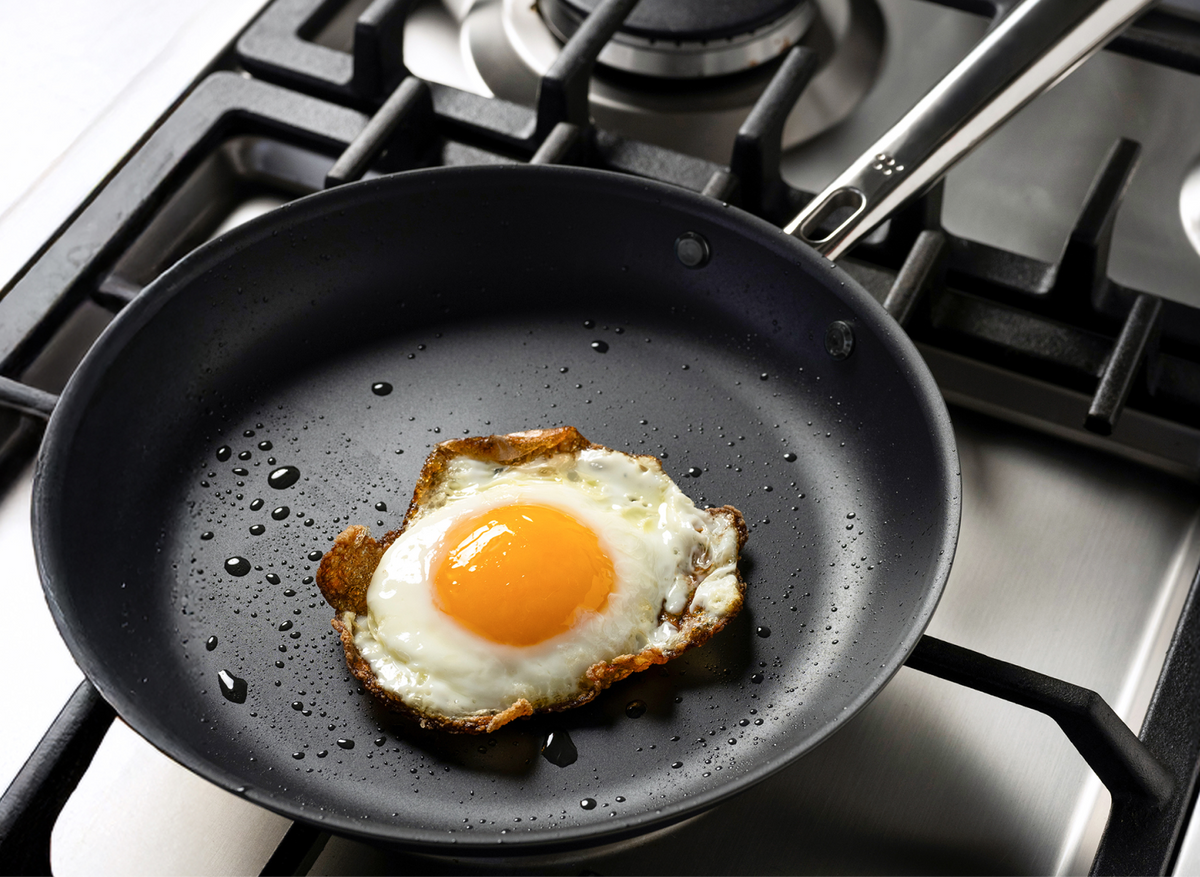
Flat-bottomed pans perform differently across low-heat and high-heat tasks, which is where real cooking reveals their value on a glass cooktop. For egg cookery, even base contact means heat distributes without hot spots -- in testing, an over-easy egg cooked with no added oil released cleanly from the surface without tearing or sticking.[9] For steaming broccoli, consistent low heat and fast burner response matter more than maximum output, and a fully flat base that stays flush with the glass gives you the fine-grained control that prevents overcooking.[8] Both tasks confirm that pan stability -- no rocking or warping under heat -- matters as much at medium-low as it does when searing.[9]
Easy cleaning and maintenance to keep the pan sliding
Residue on a pan's base creates the same scratch risk as a rough surface -- polymerized grease between pan and glass acts as an abrasive under cooking pressure. After each use, deglaze with hot water while the pan is still warm, then scrub with a non-scratch sponge and dish soap; let it cool before fully submerging in cold water to prevent warping.[10] For stubborn discoloration, a baking soda paste handles moderate stains, and Bar Keepers Friend lifts heavier buildup without dulling the metal -- our stainless steel cleaning guide covers both methods step by step.[11] Drying the pan completely before storage prevents mineral deposits from transferring to the cooktop surface on the next use.[12]
Smart Investment: Durability and Value
Buy one precision-flat, lifetime-warrantied stainless pan you use daily and you'll skip years of replacements, protect your glass cooktop, and spend less overall than cycling through cheap ones.
Cost‑per‑use breakdown: lasting quality vs cheap replacements
Cheap pans typically have thinner bases, coatings that degrade quickly, and handles that loosen over time -- replacement costs that compound until they exceed the price of a single quality purchase.[15] Spreading cost across actual uses makes the difference concrete: a pan you replace every couple of years costs more over a decade than one that holds its flatness and finish through daily cooking.[13] Spending more on cookware you reach for every day, while saving on pieces you use rarely, is the practical framework for making a higher upfront cost worthwhile.[14] For glass cooktop users, a pan that warps or develops a rough base adds a second cost -- potential damage to the cooktop surface that a quality, precision-flat pan simply doesn't create.[13]
Getting the most out of your Misen pan: warranty, accessories, and care tips
Our stainless steel cookware carries a Limited Lifetime Warranty against defects in materials, construction, and workmanship -- coverage that holds as long as you follow care instructions, since misuse and accidental damage aren't covered.[16] Traditional nonstick is the exception: those pans carry a two-year limited warranty, reflecting normal coating wear regardless of how well you maintain them.[16] To protect both your warranty and your glass cooktop, avoid heating above 800 degreesF, dry pans completely before storage, and never leave them submerged in water between uses.[16] For verified defects, you can submit a claim online -- replacement or refund eligibility applies to purchases made through misen.pro or our Amazon store.[17]
Key Takeaways
- Glass tops crack when warped pans focus thermal stress into pinpoint spots
- Only stainless, hard-anodized or ceramic-coated aluminum bases stay truly flat
- Raw cast iron's rough texture drags and permanently scratches glass surfaces
- Deglaze warm pans immediately; baked-on grease acts like sandpaper
- Replace thin cheap pans: warped bases risk destroying the entire cooktop
- Always match pan size to burner--overhang concentrates edge pressure
- Lifetime warranties exclude coating pans; expect ~2 yr nonstick lifespan
References
- https://misen.pro/blogs/news/glass-cooktop-care-what-pans-to-avoid-for-a-pristine-stove-6?srsltid=AfmBOopFD71sJnpGrgnz46V2QjntU2epy_yGsCLDfH28lpPJFaMYtiGZ
- https://extension.illinois.edu/blogs/live-well-eat-well/2023-06-30-should-i-use-my-ceramic-cooktop-when-canning
- https://www.thekitchn.com/hot-lids-on-glass-stovetop-23727858
- https://www.thespruceeats.com/best-cookware-for-glass-stoves-4690491
- https://misen.pro/blogs/news/glass-cooktop-care-what-pans-to-avoid-for-a-pristine-stove-6?srsltid=AfmBOoqoQgIE6b3isSvFV0HMKpPecmjKEiiDrKHpi1TkBK2BtApHNEgE
- https://misen.pro/blogs/news/flat-heavy-smooth-pans-that-respect-your-glass-cooktop?srsltid=AfmBOoodjV6CPScQ9wQd1z7akKhktI-2gOvAUw8jaC5t31B6RAvuy71n
- https://shopping.yahoo.com/home-garden/kitchen/articles/carbon-nonstick-pan-rave-reviews-230000753.html
- https://www.nytimes.com/wirecutter/guides/how-to-clean-stainless-steel-pans/
- https://www.thekitchn.com/best-method-cleaning-discolored-stainless-steel-cookware-23186094
- https://www.whirlpool.com/blog/kitchen/how-to-clean-stainless-steel-cooktops.html
- https://www.stanfortierinsurance.com/blog/is-expensive-cookware-worth-it
- https://recipes.howstuffworks.com/tools-and-techniques/is-expensive-cookware-worth-it.htm
- https://www.choice.com.au/home-and-living/kitchen/cookware/articles/how-much-to-spend-on-saucepans
- https://misen.pro/pages/warranty?srsltid=AfmBOoqI_WB0CFSdQUdNjC9mq6IKlzAZQuiDGhcl4mhNoWIvI4Kq1T9v
- https://help.misen.pro/en-US/what-is-the-warranty-policy-321743